

The traditional paper industry is characterized by high water consumption, severe pollution, and low raw material utilization. After long-term practice and exploration, it has been found that using oxygen as an auxiliary gas in the pulping and wastewater treatment processes can effectively improve the shortcomings of the papermaking process and solve problems such as severe pollution, resource waste, and unstable product quality in traditional papermaking processes.
The Multifaceted Application Value of Oxygen
● Oxygen Delignification (Oxygen Bleaching):
Traditional paper bleaching mostly uses chlorine-based bleaching agents (such as liquid chlorine and hypochlorite), which produce a large amount of pollutants that are difficult and costly to treat. The oxygen delignification (oxygen bleaching) process replaces chlorine-based bleaching agents with oxygen, improving safety while reducing environmental impact.
● Improved Raw Material Utilization:
The chemical pulping and bleaching processes used in traditional papermaking damage cellulose, leading to a decrease in pulp fiber strength. Oxygen delignification reduces damage to the fibers, improving raw material utilization.
● Improved Deinking Effect in Recycled Paper:
In the recycled paper pulping process, the deinking stage requires the removal of ink particles through flotation. Introducing oxygen can improve the flotation process during deinking, allowing for better separation of ink from paper fibers and improving the quality of recycled paper.
● Papermaking Wastewater Treatment:
The papermaking process generates a large amount of organic wastewater. This wastewater does not meet direct discharge standards and requires biochemical treatment. Oxygen injection or aeration increases the dissolved oxygen level in the water, promoting the growth and reproduction of aerobic microorganisms, enabling them to efficiently decompose organic matter in the wastewater, reducing pollutants such as BOD and COD. This allows for effective purification before wastewater discharge, reducing the pollution load of the wastewater.
● Reduced Bleaching Agent Consumption:
In the bleaching process, oxygen can work synergistically with hydrogen peroxide and ozone, replacing some expensive bleaching agents and reducing procurement costs. At the same time, oxygen is mild in nature and unlike chlorine-based bleaching agents, it is not corrosive, avoiding corrosion and accelerated aging of papermaking equipment.
Advantages of On-site Oxygen Generation as an Oxygen Source
● On-site oxygen generation systems (PSA/VPSA oxygen generation) use air as raw material, physically separating oxygen without any chemical pollution throughout the process. In the long run, the cost of using on-site oxygen generation can be lower than continuously purchasing liquid oxygen and bottled oxygen.
● On-site oxygen generation systems (PSA/VPSA oxygen generators) can achieve automated operation and remote monitoring, providing continuous oxygen production 24/7, avoiding the risk of interruptions in traditional oxygen cylinder or liquid oxygen supply.
● On-site oxygen generation avoids the carbon emissions and safety hazards of liquid oxygen transportation, and eliminates the need to store large quantities of gas cylinders, reducing management costs.
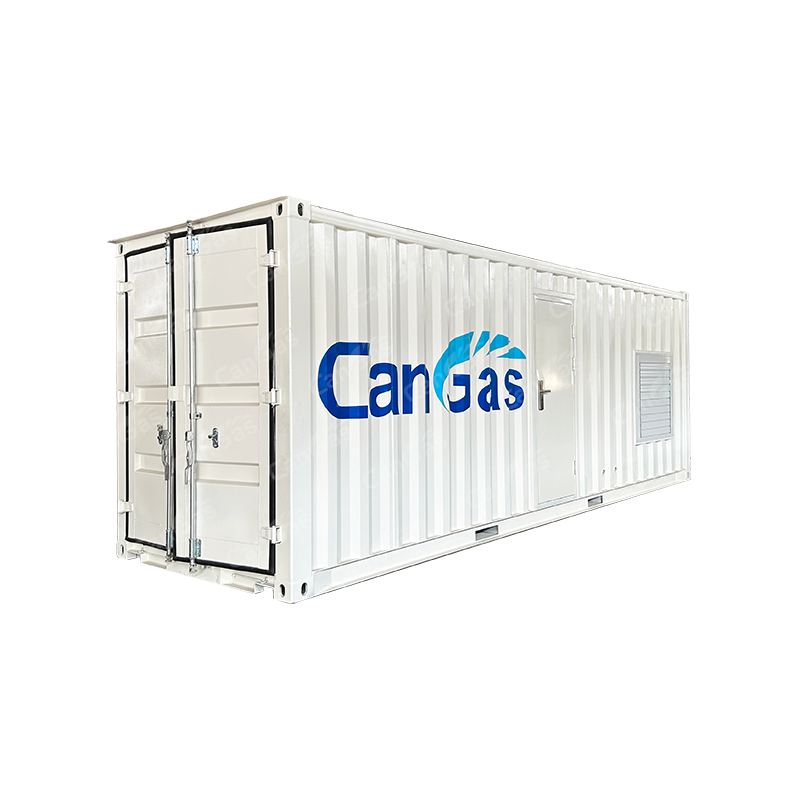
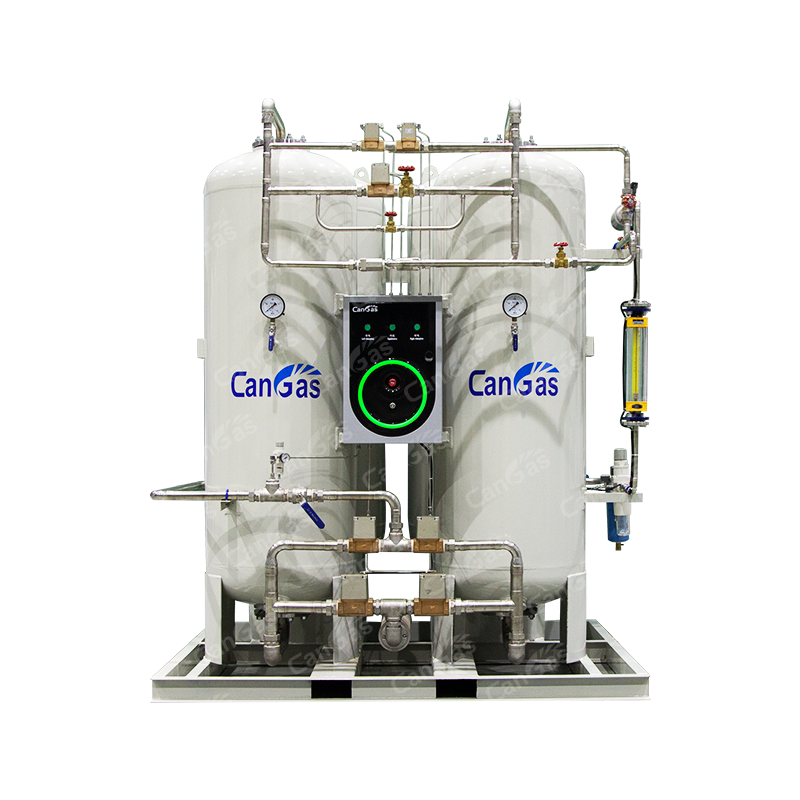
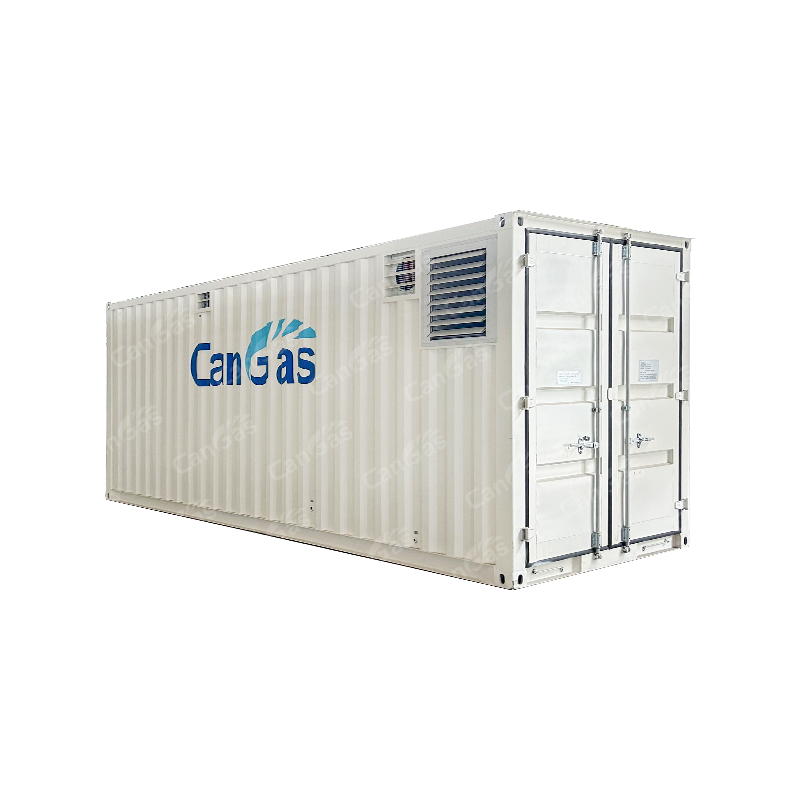
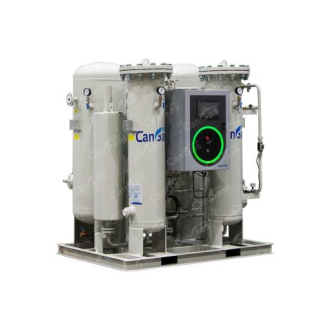
On-site oxygen generation (PSA/VPSA oxygen generators) equipment is usually compact and skid-mounted, making installation easy. Oxygen purity and flow rate can be customized to better match production needs.
● Improved environmental performance: On-site oxygen generation reduces carbon emissions from oxygen transportation. It can provide paper mills with the ability to implement oxygen bleaching processes, helping companies achieve clean production and emission reduction goals.
Demand Decision
● Accurately assess oxygen demand: Determine the total oxygen consumption (Nm³/h), pressure, and purity requirements in the production process (90%-93% is usually sufficient for paper bleaching). This is the basis for selecting oxygen generation equipment. It is also necessary to clarify the available space for equipment placement and the factory's requirements for automated operation and maintenance levels.
● Comprehensive calculation of return on investment: Conduct cost calculations, comparing the total annual cost of continuously purchasing oxygen with the equipment investment, installation, energy consumption, and daily maintenance costs of a PSA/VPSA oxygen generator. Ensure that the selected solution is compatible with existing processing facilities and processes to reduce modification costs and time.
● Choose a reliable supplier and service: Contact 2-3 professional industrial oxygen equipment providers, prioritizing manufacturers with extensive experience and successful cases in the industrial oxygen field. Carefully confirm whether they can provide comprehensive after-sales service and technical support.
Applicable Scenarios for PSA and VPSA Oxygen Generation Systems
On-site oxygen generation systems can be divided into PSA oxygen generation systems and VPSA oxygen generation systems. The former works on the principle of pressurized adsorption and atmospheric desorption, while the latter works on the principle of low-pressure adsorption and vacuum desorption. They differ in their applicable scenarios, specifically:
PSA oxygen generation systems are suitable for:
● Small to medium-scale oxygen consumption (1-200 Nm³/h)
● Lower initial investment and smaller footprint
● Simple system and easy maintenance
VPSA oxygen generation systems are suitable for:
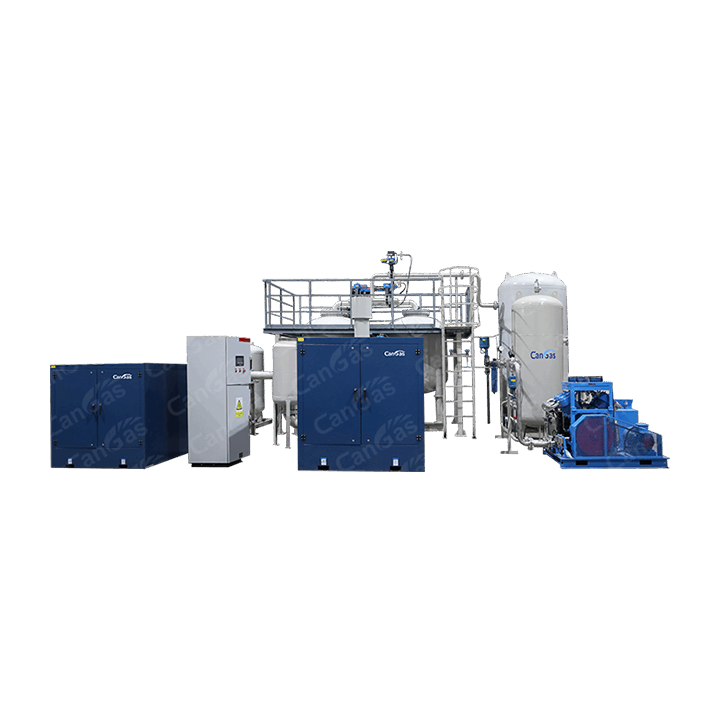
● Large-scale oxygen consumption (200-5000 Nm³/h and above)
● More stable oxygen purity
● Higher initial investment and larger footprint
● Lower maintenance costs