
How to Choose a Nitrogen Source to Reduce Costs and Increase Efficiency for Electronics Manufacturers
Nitrogen is considered an essential industrial gas in the modern electronics industry. Its use is indispensable across applications ranging from semiconductor manufacturing to LCD panel production and the photovoltaic sector. Currently, four common methods exist for obtaining nitrogen industrially: PSA (Pressure Swing Adsorption), bottled nitrogen, cryogenic nitrogen generation, and membrane separation systems. However, membrane separation produces relatively low-purity gas that fails to meet electronics production requirements. Thus, practical choices typically come down to cryogenic systems, bottled nitrogen, or PSA technology.
From a business perspective, nitrogen usage directly impacts costs. Achieving optimal cost-effectiveness depends on two key factors: maximizing product quality improvements while minimizing increases in production expenses. This article compares these three methods objectively to determine which offers the best value for electronics manufacturers.
First, cryogenic nitrogen generation delivers exceptionally high-purity nitrogen fully compliant with electronics industry standards—ideal for companies needing large volumes of ultrapure gas. Yet its drawbacks include substantial capital investment, high energy consumption, significant floor space requirements, and complex maintenance protocols—all contributing substantially to operational costs. Moreover, most manufacturers likely don’t require such massive nitrogen quantities.
Next, bottled nitrogen represents the simplest solution with minimal upfront infrastructure needs or maintenance costs. Price volatility driven by market dynamics remains problematic though, while cylinder transportation/handling introduces losses through gas leakage during transit. Additionally, purity consistency may fall short for sensitive processes, restricting applicability. Unscheduled supply disruptions can further impair production efficiency when replacement cylinders arrive late.
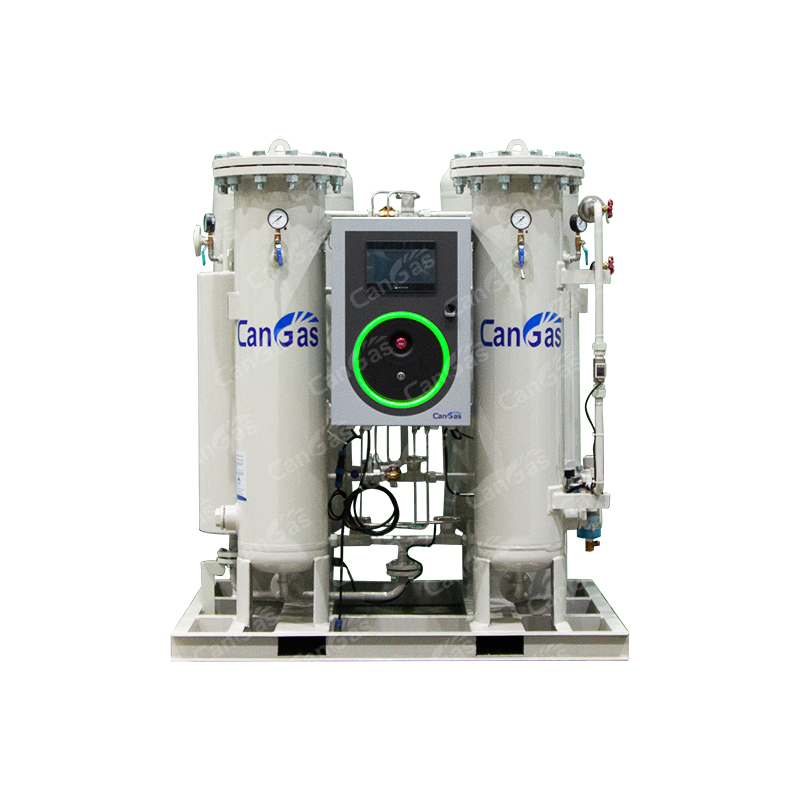
Finally, consider PSA (Pressure Swing Adsorption) nitrogen generators. Using ambient air as feedstock compressed at standard temperature/pressure conditions, these systems physically separate nitrogen molecules via adsorption cycles. Their advantages include simple mechanical design, compact footprint, lower initial investment, reduced energy demand, and ease of maintenance. Particularly suited for medium/small-scale operations demanding customizable high purity levels tailored to specific electronic components. Though output capacity trails behind cryogenic plants, PSA equipment costs significantly less than liquid systems. While per-unit costs exceed bottled alternatives slightly, customized purity settings enable reliable long-term continuous supply with predictable impact on productivity—critical for stable manufacturing workflows.
In summary, selecting a nitrogen supply method requires balancing factors like required purity levels, budget constraints, and ongoing operational expenditures based on individual circumstances. If extreme purity coupled with high throughput capacity aligns with strong financial resources, cryogenic systems present viable economics. Conversely, when ultrapure gas isn’t mandatory, smaller volume demands prevail, and optimizing return on investment takes priority—PSA emerges as the preferred choice.