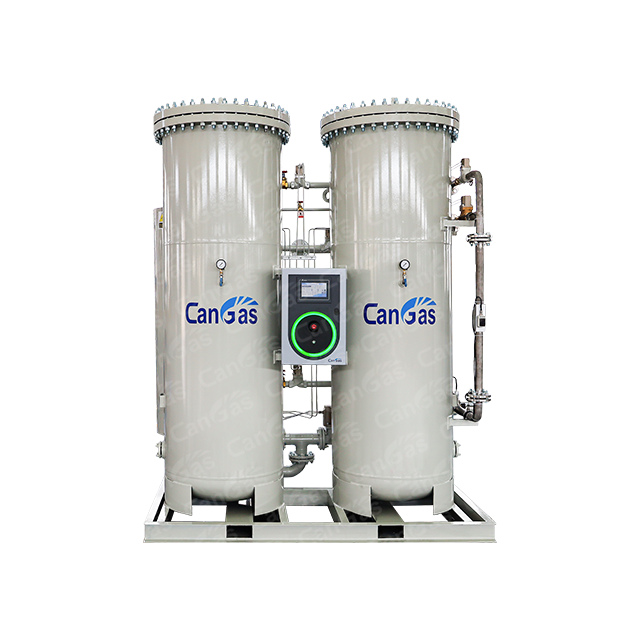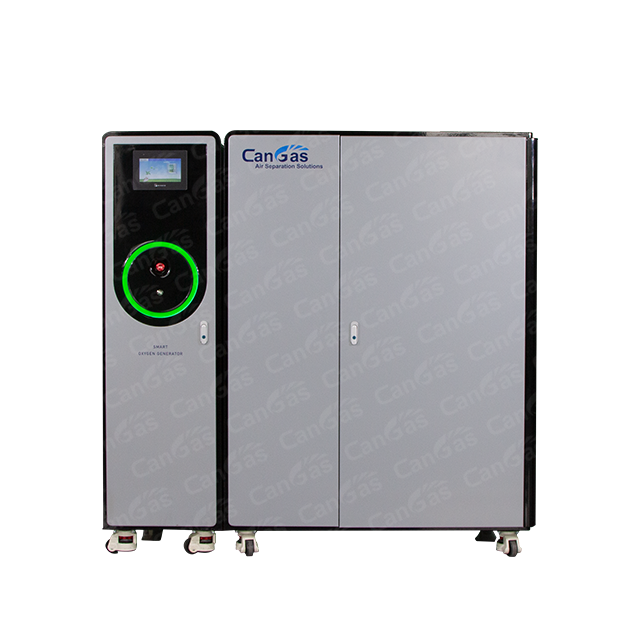

Monitoring the operational status of your PSA nitrogen generator is critical. It impacts not only the equipment’s functionality and gas quality but also the economic efficiency and safety of your entire production process. This article outlines how to effectively monitor its performance.
When inspecting a PSA nitrogen generation system, assess these key components:
1.Power Indicator Light: If unlit, this signals an issue with the power supply connection.
2.Solenoid Valves: Their actuation cycle must align with programmed settings. Operation should occur without unusual noise, vibration, or burning smells.
3.Purity Gauge: Use the built-in nitrogen analyzer to verify purity levels. Readings below target thresholds suggest either exhausted adsorbent beds or potential leaks in the system.
4.Flow Rate Control: Cross-check actual flow against preset parameters.
5.Receiver Tank Pressure Test: Once pressurized to setpoint, gradually release pressure via the vent valve. Stability without drastic swings confirms proper regulation.
6.Pressure Gauges: All system gauges should display stable readings—no erratic spikes or flatlines allowed.
7.Auto Drain Valve Functionality: Ensure automated drainage from air filters operates correctly.
8.Air Compressor Health Check: Track discharge temperature/pressure metrics alongside oil reservoir levels in the integrated tank.
Proactive equipment monitoring prevents breakdowns. Organizations should complement this with preparedness measures like staff training programs and strategic spare parts stockpiling.