
Membrane Separation Nitrogen Generation Project for Chemical Tankers
Project Background
For ships transporting chemicals (especially flammable and explosive ones), nitrogen acts as an inert gas, significantly reducing oxygen concentration in fuel tanks and making the environment inside them inert. This is a vital safety measure for these vessels.
Beyond ensuring transportation safety, nitrogen also protects cargo from oxidation and deterioration and helps to clean cargo holds (for example, when carrying crude oil), providing a safe foundation for subsequent shipments.
Company Profile
A well-known overseas chemical company required a custom nitrogen generation system for its chemical shipments by sea, to guarantee safety throughout the entire transportation process.
Project Overview
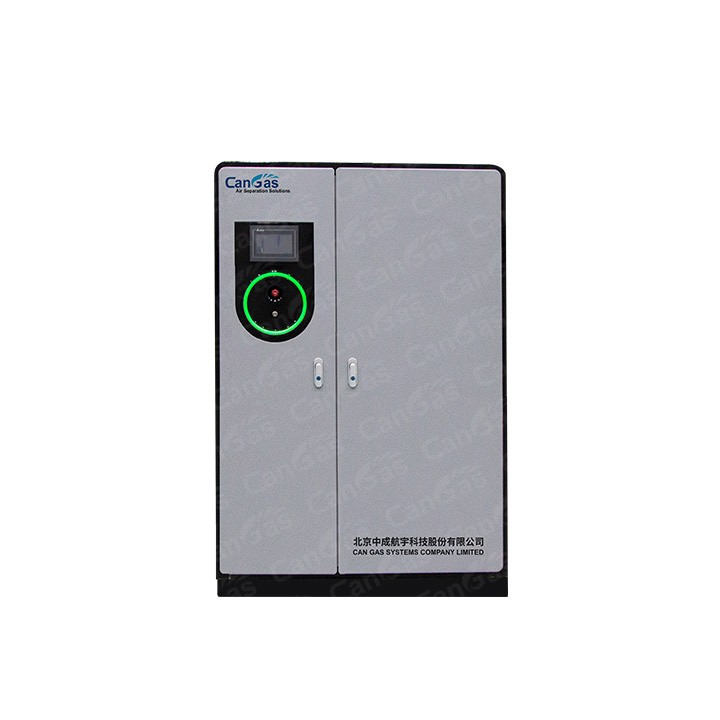
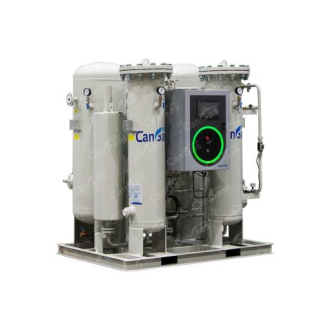
CAN GAS provided the company with a membrane separation nitrogen generation system delivering 100 Nm³/h at 95% purity and an output pressure of 6 bar. The system’s compact design occupies minimal space, making it ideal for installation within a vessel’s confined quarters. Furthermore, it offers an efficient and stable nitrogen supply, designed specifically for the demands of chemical cargo shipping. Crucially, the equipment has obtained the necessary classification society certifications and International Maritime Organization (IMO) approvals required for maritime deployment.
Equipment Photos


Project Highlights
1. Space Efficiency: The membrane nitrogen generator has a small footprint, facilitating easy installation in tight shipboard spaces.
2. Energy Efficiency: Its low power consumption aligns with ships' limited power availability.
3. Environmentally Friendly: The system operates without hazardous chemicals or pollutant emissions, complying with environmental regulations for shipping.
4. Low Maintenance: Simple and low-frequency maintenance requirements reduce operational costs and minimize equipment downtime.
5. Vibration Resistance: Engineered to endure the constant motion and turbulence experienced at sea.
6. High Automation: An intelligent control system enables automated operation, reducing crew workload.
7. Enhanced Safety: Engineered to meet stringent explosion and fire protection standards. Its outlet pressure is compatible with shipboard power systems and can adapt to voltage/frequency fluctuations, featuring built-in overvoltage and overheating protection.
8. Robust Adaptability: Capable of withstanding harsh marine environments, including extreme temperatures, high humidity, and salt spray corrosion.
9. Industry Compliance: The equipment holds relevant classification society certifications and International Maritime Organization (IMO) approvals.
In summary, selecting the right marine nitrogen generator is crucial for ensuring safe, efficient, and reliable nitrogen use onboard. When designing such a membrane separation system, careful consideration must be given to its technical specifications, environmental adaptability, energy efficiency, safety features, ease of maintenance, space constraints, intelligent controls, and overall user experience to ensure robust design and long-term reliability.