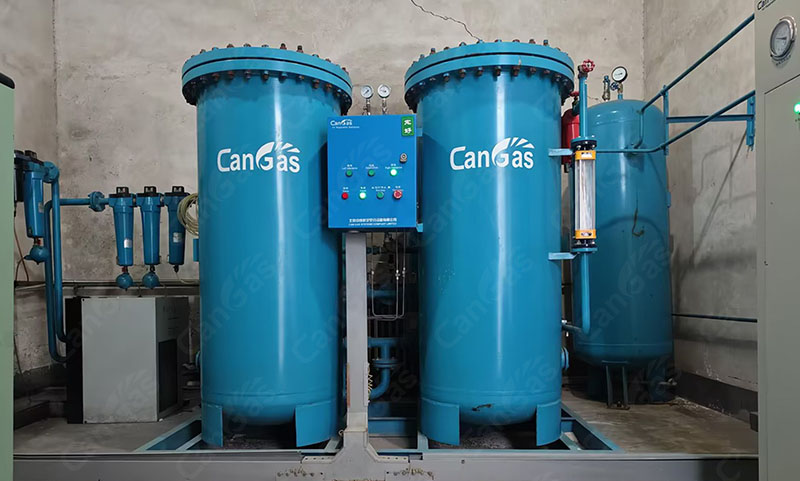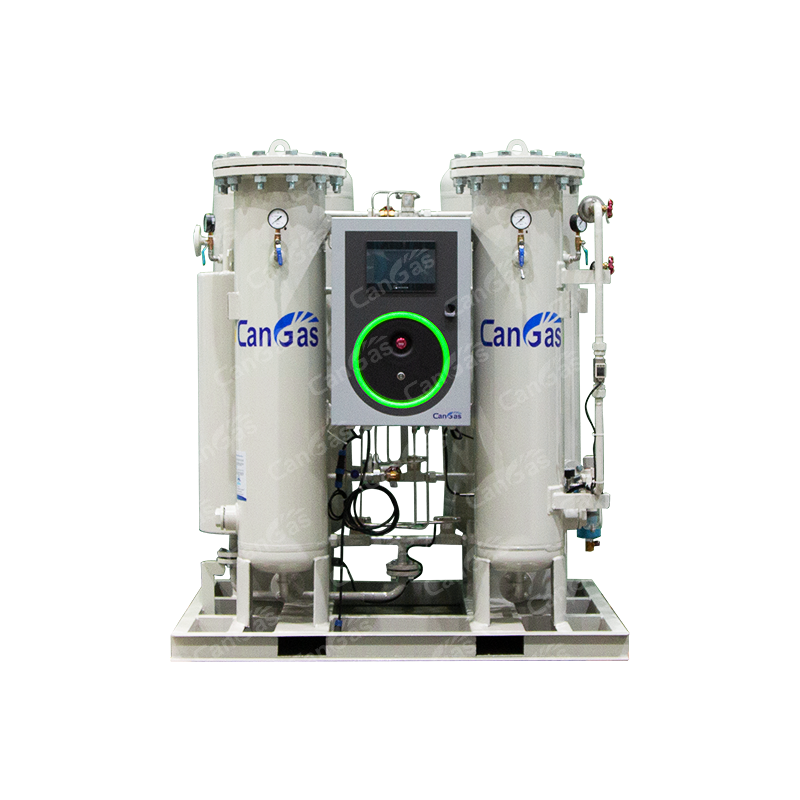

The lifespan of a PSA nitrogen generator system is approximately 10 years, depending on factors such as brand quality, routine maintenance, and operating conditions. While the equipment does not necessarily require scrapping after its lifespan, it may experience performance degradation and an increased failure rate. To determine whether to replace old equipment with new, consider the following comprehensive assessment criteria:
Degradation of Technical Performance
● Insufficient Product Purity: Nitrogen purity consistently fails to meet production requirements, even after adjustments.
● Increased Energy Consumption: Significant rise in energy consumption leads to higher operational costs.
● Low Automation Level: Outdated automation systems reduce production efficiency, increase operational risks, and require frequent manual intervention.
Increased Failure Rate
● Frequent Breakdowns: Recurring equipment failures result in prolonged downtime, severely disrupting production continuity.
● High Maintenance Costs: Maintenance expenses escalate over time, with costly repairs yielding unsatisfactory results.
Safety Performance Issues
● Lack of Safety Protections: Aging components (e.g., worn seals) may cause gas leaks, while valve malfunctions could lead to excessive system pressure.
● Excessive Noise Pollution: Older equipment generates high noise levels, degrading the working environment.
In summary, if a PSA nitrogen generation system has been in operation for many years and exhibits multiple issues listed above, it indicates that the system can no longer meet production needs or ensure safety standards. In such cases, companies should consider phasing out or replacing the equipment to maintain efficiency and safety.