
Modernization of PSA On-Site Oxygen Generation Equipment and Medical Gas Systems
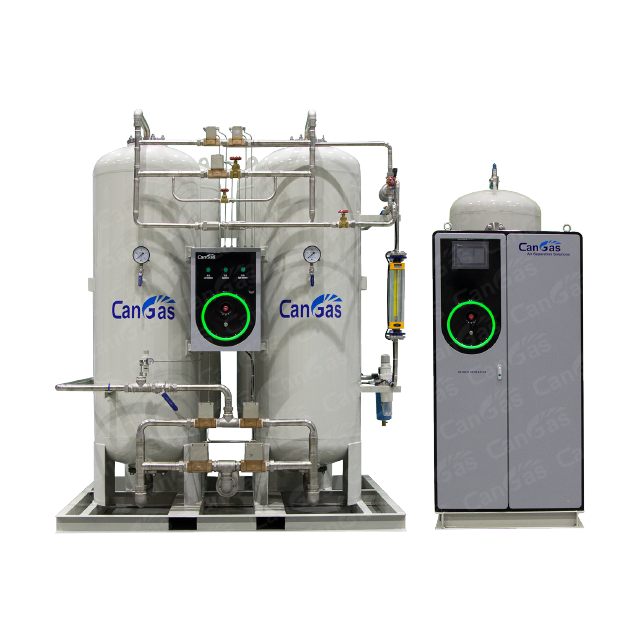
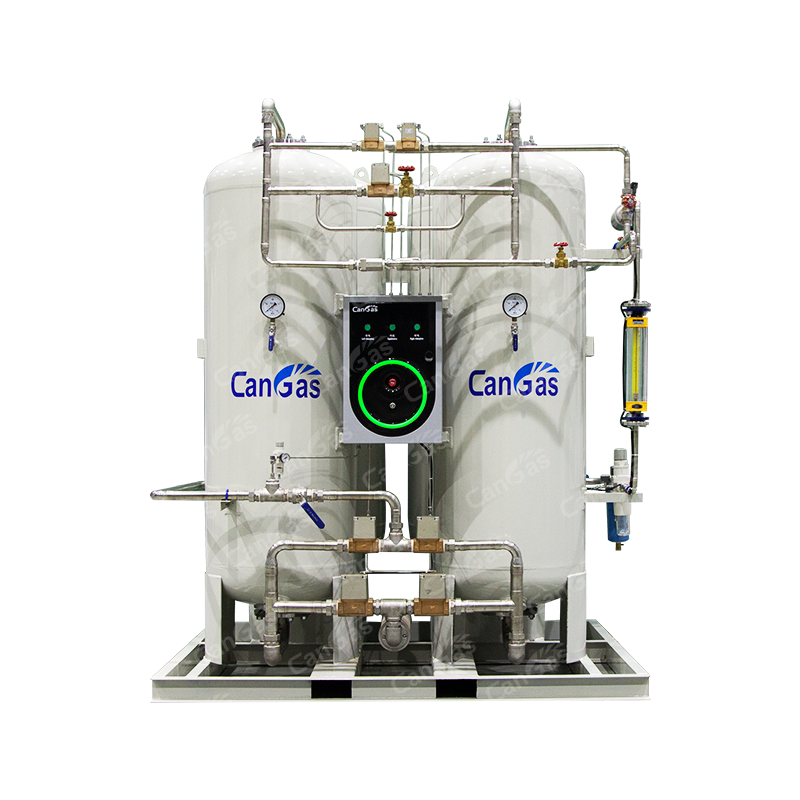
The introduction of PSA (Pressure Swing Adsorption) on-site oxygen generation equipment represents a critical advancement in the modernization of medical gas systems. Its core value lies in technological innovation, enhanced safety, optimized economics, and intelligent management models. Specifically:
I. Technological Modernization: Oxygen Source Innovation
1.Limitations of traditional oxygen supply methods:
● Bottle oxygen: Relies on manual handling, risks cross-contamination, and suffers from unstable supply.
● Liquid oxygen: Requires cryogenic storage at -183°C, poses explosion risks due to vaporization, and demands rigorous maintenance.
2.PSA technology: On-site oxygen generation and supply:
● Normal temperature/low-pressure operation: Functions at 0.4–0.5MPa, eliminating high-pressure storage risks.
● On-demand production: Uses ambient air and molecular sieve adsorption for physical separation, avoiding transportation/storage hazards.
● Intelligent control: Automated systems enable remote monitoring, fault alarms, and automatic backup switching, aligning with smart O&M trends.
II. Enhanced Safety and Reliability
1.Hazard mitigation:
● Eliminates high-pressure cylinders/cryogenic tanks, reducing leak/explosion risks. Includes real-time purity/flow monitoring and emergency backup.
● Complies with GB 50751-2012 Medical Gas Engineering Standards, featuring redundancy and backup power for outages/failures.
2.Standardization compliance:
Meets GB 8982-2009 Medical and Aviation Breathing Oxygen, delivering 99.5% purity for clinical use.
III. Economic Optimization: Cost Efficiency
1.Cost comparison:
● Bottle oxygen: Procurement + transport/handling + cylinder testing/replacement + storage + risk management + backup + contamination risks + staffing + price volatility.
● Liquid oxygen: Procurement + transport + tank maintenance/depreciation + labor/safety checks + evaporation loss + backup systems.
● PSA: Equipment purchase + power consumption + routine maintenance.
2.Maintenance simplicity:
Fewer moving parts, low failure rates, and eco-friendly operation.
IV. Modernized Management: Intelligent Integration
● Centralized data systems: Integrates with hospital platforms for real-time oxygen usage analytics (e.g., demand forecasting, allocation optimization).
● IoT-enabled networks: Links with other medical gases (vacuum/air) for unified smart supply chains.
● Future readiness: Supports telemedicine/emergency services via remote-controlled oxygen provision.
V. Industry Adoption & Policy Endorsement
● Widespread use: Deployed as primary oxygen sources in hospitals nationwide, recognized as a hallmark of modern healthcare infrastructure.
● Policy backing: National standards (GB 50751-2012) formalize PSA’s role, accelerating adoption.
PSA on-site oxygen generation is not merely a technological upgrade but a strategic overhaul of medical gas systems. It replaces high-risk/high-cost traditional methods, enabling safer, more efficient, and sustainable resource management. As a cornerstone of modern hospital operations, it epitomizes the integration of safety, economy, and intelligence in healthcare.