
PSA Oxygen Generation System: Oxygen Cylinder Filling Operation Guide
The operation of filling oxygen cylinders using a PSA oxygen generation system requires operators to possess relevant professional knowledge and strictly follow standard procedures to ensure safety and efficiency.
I. Pre-operation Preparation
1. Equipment and Tool Inspection
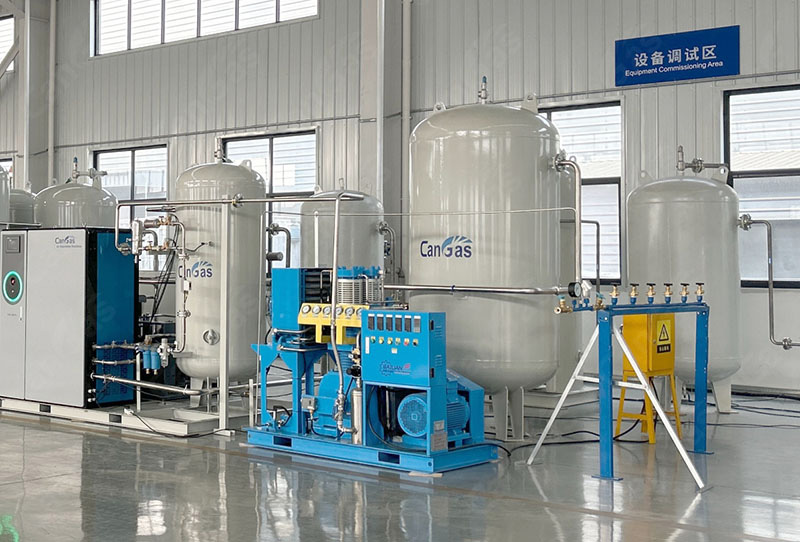
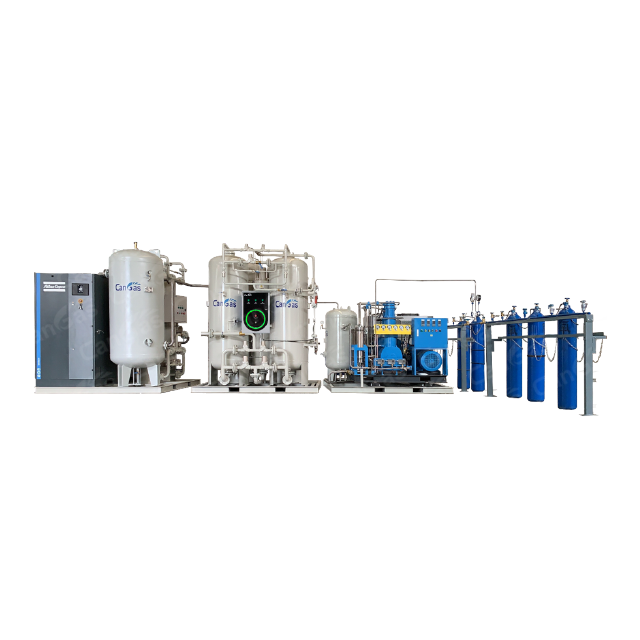
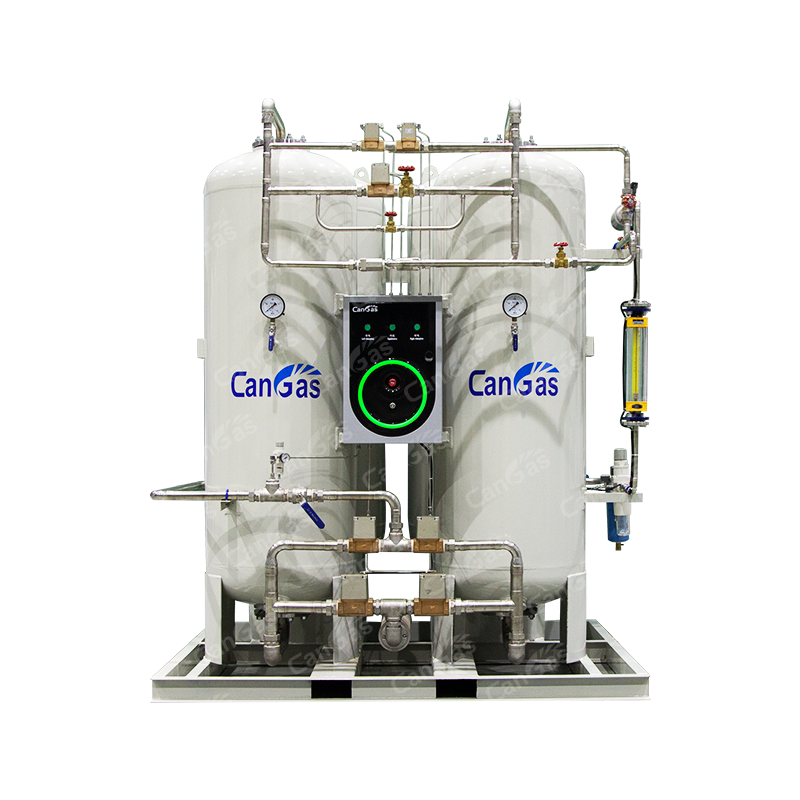
• PSA Oxygen System: Ensure adsorption tower pressure is zero and all valves are closed.
• Air Compressor: Oil level should be at the midline of the sight glass; radiator unobstructed; belt tension appropriate.
• Filling Pipeline: Check interfaces for rust or damage.
• Oxygen Cylinders: Verify cylinder body inspection validity; confirm valves are leak-free.
2. Environmental Safety
• Ventilation: Maintain well-ventilated operating room; oxygen concentration must remain ≤23% (to prevent oxygen-enriched environments).
• Fire Prevention: No open flames or oil stains on-site; fire extinguishers (dry powder/CO₂ type) must be functional.
• PPE: Operators shall wear protective equipment (e.g., anti-static work clothes, gloves, safety shoes).
II. Filling Procedure
1. System Startup
Activate the PSA oxygen generation system and allow it to reach stable operating status.
2. Oxygen Filling
• When storage tank pressure reaches ≥0.6 MPa, slowly open the vent valve until the flowmeter float rises. Adjust oxygen flow rate to match user requirements.
• Once oxygen purity meets specifications (verified by analyzer), close the vent valve, open the main oxygen valve, and initiate cylinder filling.
• Monitor cylinder pressure/temperature continuously: Do not exceed rated cylinder pressure or temperature limits.
• If leakage occurs, halt filling immediately and address the issue.
3. Completion Steps
• When cylinder pressure reaches target (typically 15 MPa):
① Close the main filling valve.
② Slightly open the main valve of the alternate row, then fully switch to that row.
• Seal the cylinder valve, then slowly release residual pipeline pressure via the vent valve (pressure <0.2 MPa).
• Remove cylinder from station, place in designated area, and record: Filling date, operator ID, pressure, volume.
III. Safety Precautions
• Strictly prohibit smoking/open flames in the filling area.
• Mandatory PPE: Work clothes, gloves, safety shoes.
• Handle cylinders gently during loading/unloading; avoid collisions/dropping.