
Is there a difference between a tire nitrogen generator and a regular nitrogen generator?
Inflating the tires of cars, racing cars, and airplanes with high-purity, clean nitrogen offers numerous benefits. It effectively improves stability, reduces the risk of tire blowouts, slows tire aging, and extends tire life.
This nitrogen inflation operation requires a tire nitrogen generator, which is a specific application of nitrogen generators. The core difference between the two lies in their "dedicated" versus "universal" nature. Specifically:
I. Tire Nitrogen Generator
Design Goals: Specifically designed for tire inflation, ensuring fast, convenient, and safe inflation of tires with dry, clean nitrogen. Compared to regular nitrogen generators, it undergoes specific optimization and structural simplification tailored for the inflation scenario.
Working Principle: Generally employs Pressure Swing Adsorption (PSA) technology. Compressed air is dried and filtered before being sent to the adsorption tower, where nitrogen molecules are enriched and output. This process involves no moving parts, resulting in efficient, quiet, and reliable operation.
Key Features:
· Purity: The purity of the output nitrogen is typically between 95% and 99%, a level that is widely recognized internationally.
· Output Pressure: The output nitrogen pressure is typically high, making it suitable for direct tire inflation without additional pressurization; it can even meet the inflation needs of high-pressure tires.
· Operating Mode: It can be used "on demand," meaning it can be stopped or put into standby mode after filling a tire. The flow rate of a single unit generally ranges from 2 to 7 cubic meters per hour.
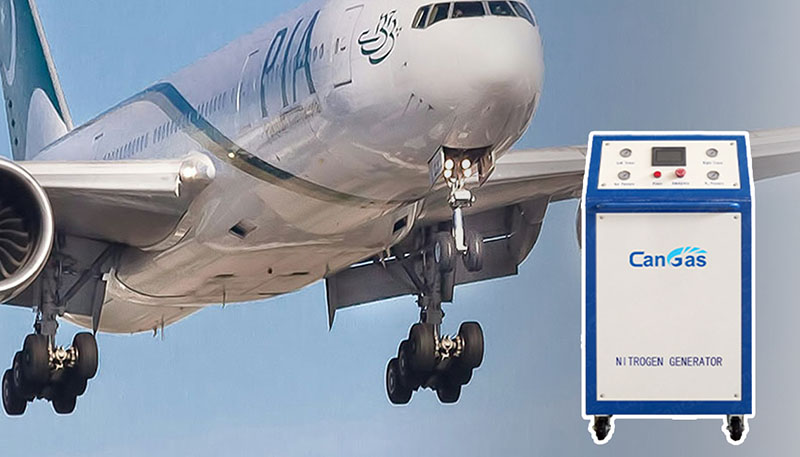
· Equipment Form: Small in size or designed as a cabinet-style integrated unit, it incorporates an air compressor, air tank, filter, nitrogen generator, and inflation hose/gun. Operation is simple, and it is ready to use immediately. The equipment is mostly mobile, making it convenient for serving different workstations.
· Nitrogen Quality: High emphasis is placed on removing water and oil from the compressed air to protect the molecular sieve and ensure the gas injected into the tires is sufficiently dry.
Main Applications: Automotive 4S shops, tire shops, racing teams, aviation ground services (for inflating aircraft tires), high-end bicycle shops, etc.
II. General Nitrogen Generators
Design Goals: Highly versatile, providing a stable, continuous, and qualified nitrogen supply for various industrial processes.
Working Principle: Primarily employs Pressure Swing Adsorption (PSA) technology, supplemented by membrane separation technology. PSA technology utilizes carbon molecular sieves as the adsorbent, generating nitrogen through a cyclic process of pressure adsorption and pressure desorption. This technology offers high cost-effectiveness for continuous use.
Key Features:
· Nitrogen Purity: Offers a wide range of nitrogen purity, customizable to meet specific needs, ranging from 95% to 99.9995%.
· High Automation: Simple operation that requires no dedicated personnel. It supports remote monitoring, providing clear visibility of operating conditions.
· Output Pressure: The basic output pressure is typically around 5-8 bar; higher pressures can be achieved with an external nitrogen booster.
· Operating Mode: Designed for 24/7 continuous operation, ensuring stable nitrogen purity. Flow rates range from a few cubic meters per hour to thousands of cubic meters per hour, meeting the continuous nitrogen needs of various production lines.
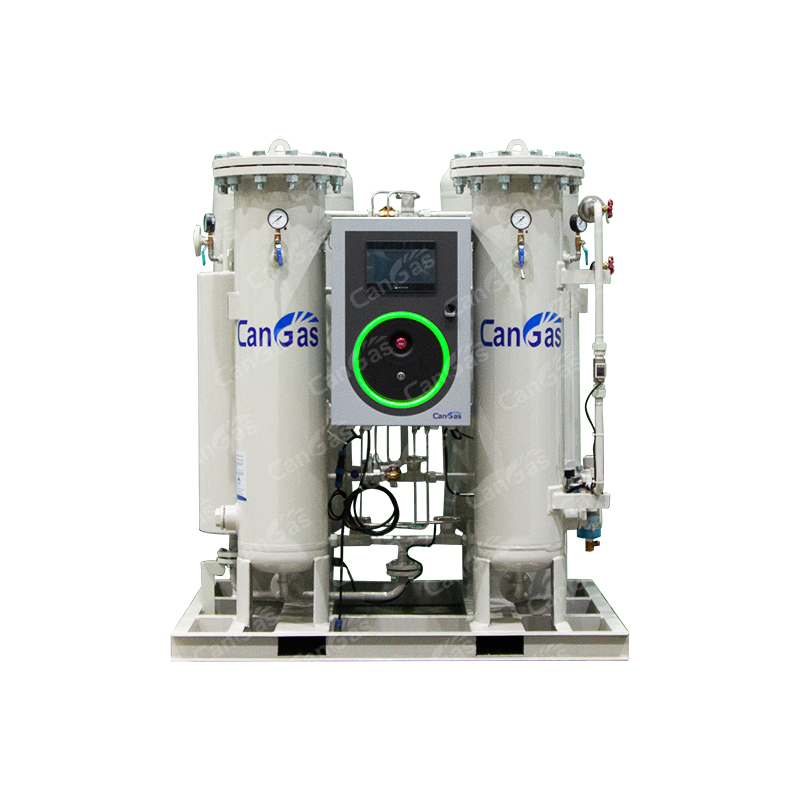
· Maintenance and Upkeep: A complete nitrogen generation system typically includes an air compressor, refrigerated dryer, filter, adsorption tower, buffer tank, and a sophisticated control system. The system requires regular maintenance and has a service life of 8-10 years.
· Customization: Depending on the application industry (e.g., chemical, metallurgical, pharmaceutical, electronics), purity, dew point, and impurity content can be customized to meet specific nitrogen requirements.
· Equipment Form Factor: The system is relatively large and occupies considerable space. It can be skid-mounted or designed as a container for easy movement.
Main Applications: It has a wide range of applications, including petrochemicals, metal heat treatment, food packaging, pharmaceutical production, electronics manufacturing, warehousing protection, and laboratories.
Can a Tire Nitrogen Generator Be Replaced by a Regular Nitrogen Generator?
From a professional and reliability perspective, a "regular nitrogen generator" cannot directly replace a tire nitrogen filling device. However, this function can be achieved through equipment modification. For example, a standard nitrogen generator can be equipped with a high-pressure air compressor, a large air tank, a dryer, and an air gun to perform the function of filling tires with nitrogen. However, this is not feasible because the modification cost is very high, and it is not as convenient to use as a professional tire nitrogen generator.