
An Exploration of the Automation Levels in High-Altitude Oxygen Enrichment Systems
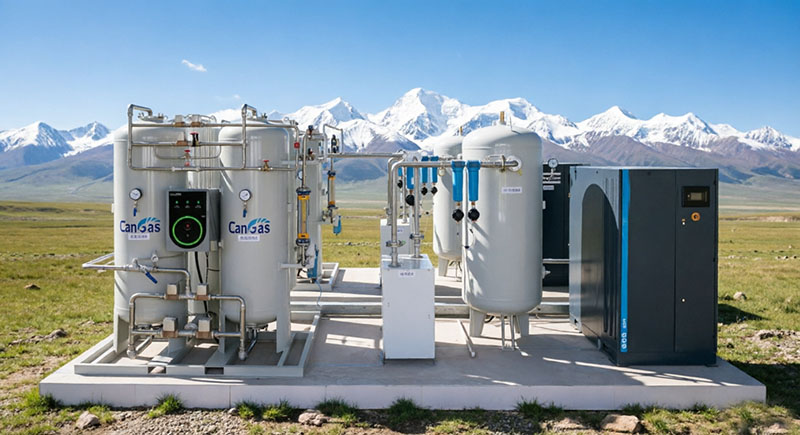
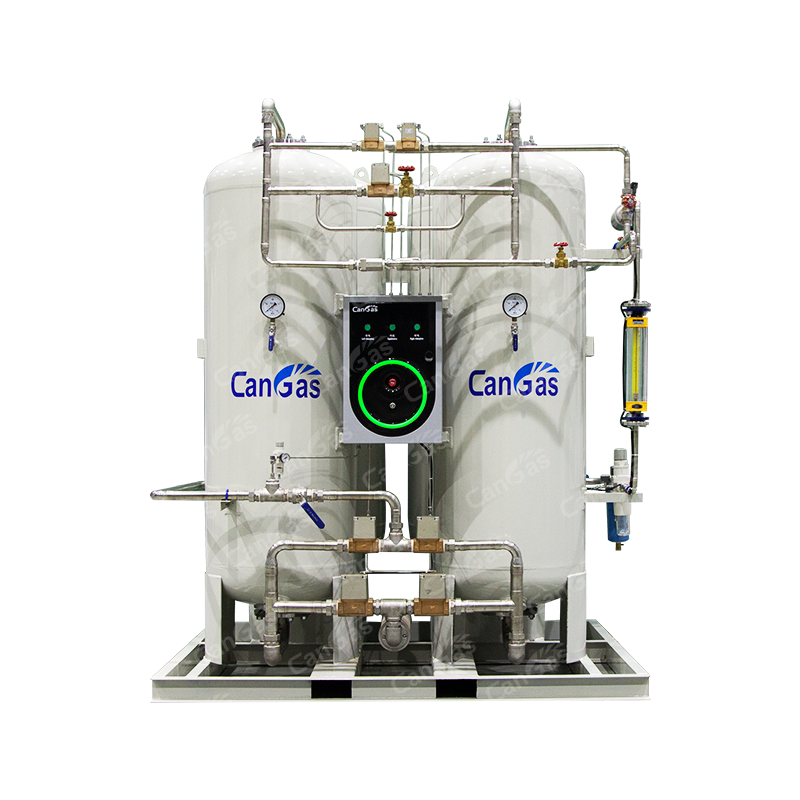
High-altitude oxygen enrichment adopts PSA/VPSA oxygen generation systems to deliver oxygen to designated indoor spaces. By raising indoor oxygen concentration, the systems help people gradually relieve discomforts caused by altitude sickness. Featuring high safety and excellent performance, these oxygen enrichment systems effectively protect people living and working in high-altitude areas from oxygen deprivation. Meanwhile, the industry has seen continuous progress in the automation of such equipment.
I. Classification of Automation Levels
In light of current technological development, the automation of PSA/VPSA high-altitude oxygen enrichment systems is divided into three levels:
1. Basic Automation
· Real-time Data Acquisition and Display: Sensors continuously monitor indoor environmental parameters (e.g., oxygen concentration, altitude) and equipment operating status (e.g., pressure, flow rate) in real time.
· Threshold-based Alarming: Reasonable threshold values are set for all monitored parameters. Visual and audible alarms or SMS alerts will be triggered immediately once oxygen concentration drops below standard, equipment malfunctions or overheating occurs.
2. Process Automation
· Adaptive Oxygen Supply Regulation: Based on preset target oxygen concentration (24%–28%) and real-time monitoring data, the system automatically adjusts oxygen supply terminals to maintain stable oxygen output.
· Multi-mode Switching: It supports one-click switching between multiple operating modes, including manual mode and intelligent mode. The intelligent mode adjusts oxygen supply according to time schedules or indoor occupancy.
3. Advanced Intelligent Automation
· AI-driven Predictive Control: Combined with historical operating data and machine learning algorithms, the system predicts occupancy patterns (e.g., peak check-in hours in hotels) and proactively optimizes oxygen supply strategies to improve energy efficiency.
· Internet of Things (IoT) Integration: The system supports remote monitoring via mobile applications and web portals, multi-device networking (e.g., interconnected systems across hotel floors), and seamless integration with Building Management Systems (BMS).
II. Specific Implementable Functions
1. Intelligent Environmental Perception and Response
The system automatically adjusts oxygen flow according to the number of occupants and their activity levels (e.g., sleep and active states) to reduce oxygen waste.
2. System Lifecycle Management
Based on cumulative operating hours and air quality data, the system automatically sends maintenance reminders for component replacement, such as filter elements and molecular sieves.
3. Energy Efficiency Optimization
· Load-Following Technology: When oxygen demand is low, the system automatically switches to standby or low-power mode to cut idle power consumption.
· Integrated Management: It works in tandem with air conditioning and fresh air ventilation systems to optimize indoor temperature and humidity, further improving oxygen generation efficiency.
4. Enhanced User Experience
· Personalized Settings: Users are allowed to customize oxygen concentration schedules — for example, lowering the concentration to 23% at night and raising it to 26% during daytime.
· Voice Interaction: The system responds to voice commands (e.g., "Increase oxygen concentration to 28%") and is fully compatible with mainstream smart home devices such as Tmall Genie and Xiaodu.
5. Safety and Emergency Management
· Leak Detection and Isolation: Once a pipeline leak is detected, the system automatically shuts off oxygen supply valves and activates emergency ventilation.
· Power Outage Protection: Equipped with a UPS power supply, the system can sustain basic oxygen delivery for 15–30 minutes during a power failure and send instant notifications to management staff.
III. Automation Solutions for Typical Application Scenarios
1. High-Altitude Hotels and Guesthouses
Core Functions:
· Zoned and segmented oxygen supply control based on the occupancy status of individual guest rooms;
· Interlocking with electronic door lock systems to activate oxygen enrichment mode automatically upon guest check-in;
· On-demand oxygen service with time-based billing options, as well as complimentary oxygen supply for all in-house guests;
· Automatic balancing of oxygen supply pressure across all floors during peak tourist seasons.
2. Medical Institutions in High-Altitude Regions
Core Functions:
· Precisely maintains constant oxygen concentration in Intensive Care Units (ICU);
· Enables data interconnection with medical devices such as ventilators to dynamically adjust oxygen delivery volume according to patients’ blood oxygen saturation;
· Automatically cuts off oxygen supply during indoor UV disinfection to avoid potential risks caused by ozone mixture.
3. Office and Residential Buildings
Core Functions:
· Interlocks with fresh air ventilation systems based on indoor CO₂ concentration to balance oxygen supply and overall indoor air quality;
· Runs scheduled oxygen supply from 9:00 AM to 6:00 PM on workdays and operates in low-power mode throughout weekends.
The automation of high-altitude oxygen enrichment systems has evolved from simple single-point control into a full-fledged intelligent workflow of "Perception – Analysis – Decision – Execution". It realizes on-demand and precise oxygen delivery and greatly reduces resource waste. Meanwhile, it simplifies daily management for operators and brings reassuring experience to end users.