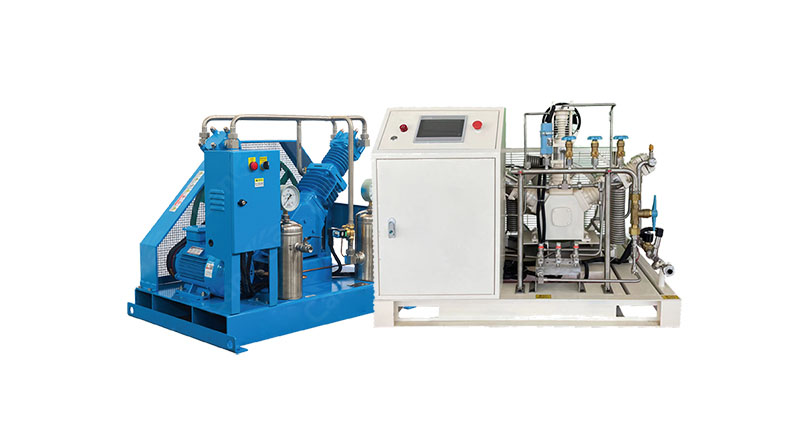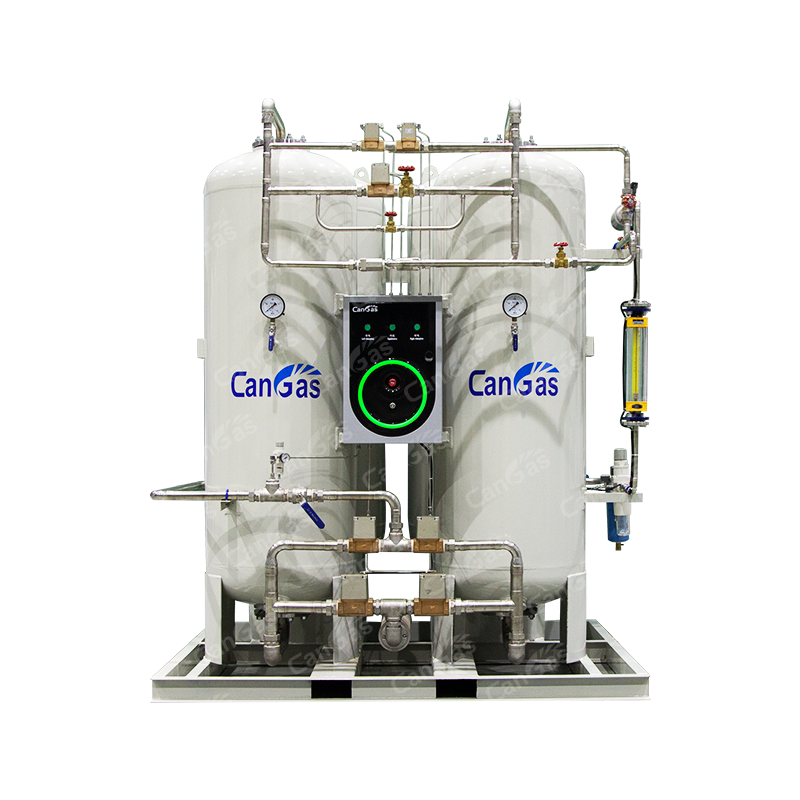

PSA oxygen generation systems typically produce oxygen at a pressure of 0.2–0.5 MPa. However, this pressure is insufficient for certain end-use applications. An oxygen booster is required to meet high-pressure oxygen demands, such as those for combustion support in metallurgical steelmaking processes.
A PSA oxygen booster is a specialized device that directly pressurizes oxygen produced by PSA systems to elevate its outlet pressure.
Application Scenarios of Oxygen Boosters
There are two main categories of applications requiring increased oxygen pressure:
1.Meeting pressure requirements at the point of use
· Medical oxygen generators: Used to power respiratory equipment or fill oxygen cylinders.
· Industrial oxygen generators: Processes such as metallurgy and glass manufacturing require a continuous supply of pressurized oxygen.
2.Long-distance transport
Boosting pressure compensates for pipeline pressure losses, ensuring that the oxygen maintains the required pressure even after being transported over long distances.
Oxygen Boost Pressure Requirements for Different Industries
· Medical oxygen: 0.4 – 0.6 MPa
· Industrial combustion: 0.8 – 2.0 MPa
· Cylinder filling: 15 – 20 MPa
Key Technical Specifications of Oxygen Boosters
· Adaptability: Capable of accommodating output fluctuations of PSA (Pressure Swing Adsorption) oxygen systems.
· Fault alarm and interlock protection: Automatic system shutdown is triggered once temperature, vibration or pressure exceeds safe threshold limits.
· Continuous operation: Supports 24/7 uninterrupted running.
· Service life of core components: Valves and piston rings (1 million operating cycles); bearings (≥60,000 working hours).
· Leakage rate: Dynamic shaft seal leakage ≤50 ppm.
· Flow rate: Matches or exceeds the peak oxygen output flow of the supporting PSA system.
· Dew point: ≤-40°C.
· Outlet oxygen temperature: No more than ambient temperature + 15°C, which prevents high-temperature catalytic reactions and potential safety risks.
Differences Between PSA Oxygen Boosters and PSA Nitrogen Boosters
Given the strong oxidizing property of oxygen, oxygen boosters must adopt oil-free compression technology and use special sealing materials such as copper alloys and stainless steel to avoid spark generation and grease contamination. This is the core difference between oxygen boosters and nitrogen boosters. The two devices share nearly identical working principles and system compositions.
As a core component of PSA oxygen generation systems, the oxygen booster guarantees qualified on-site oxygen supply by raising oxygen pressure to meet diverse operational demands. Meanwhile, strict compliance with relevant safety standards for oxygen booster operation is essential to eliminate potential fire and explosion hazards.