
Does the Installation of a Diffuse Oxygen Supply System Require Pressure Piping Design Qualifications
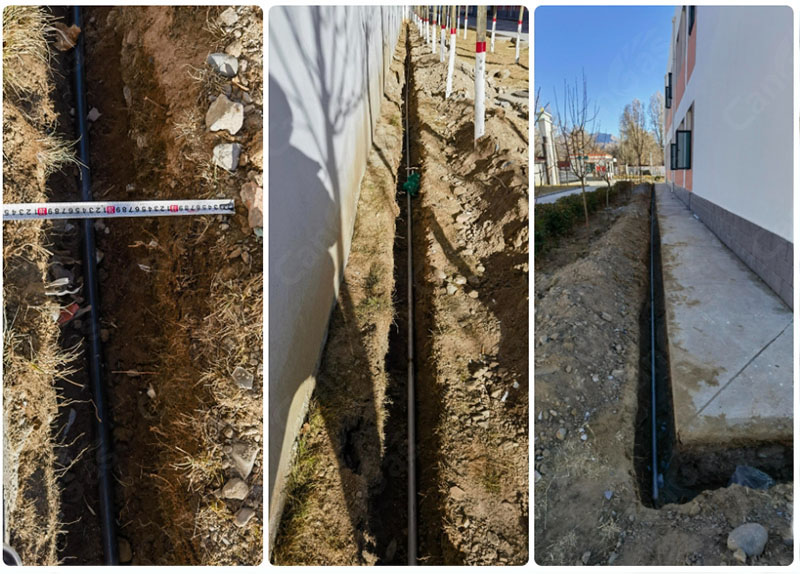
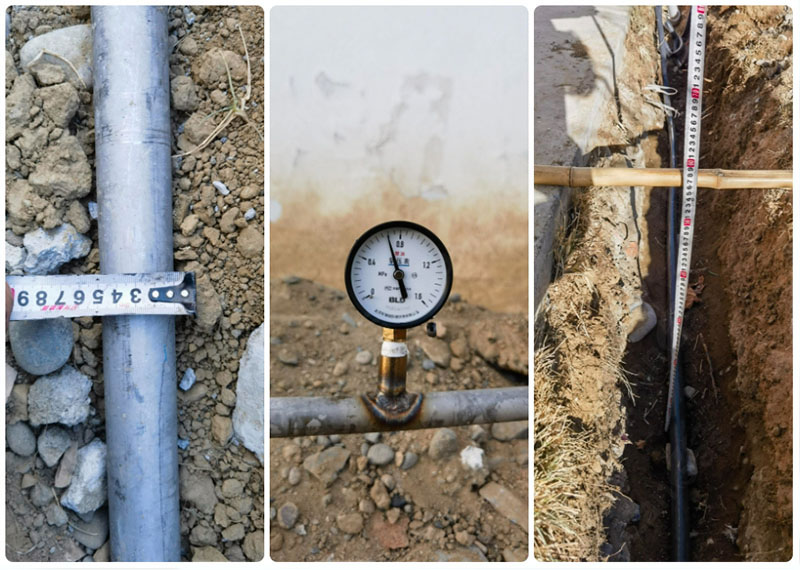
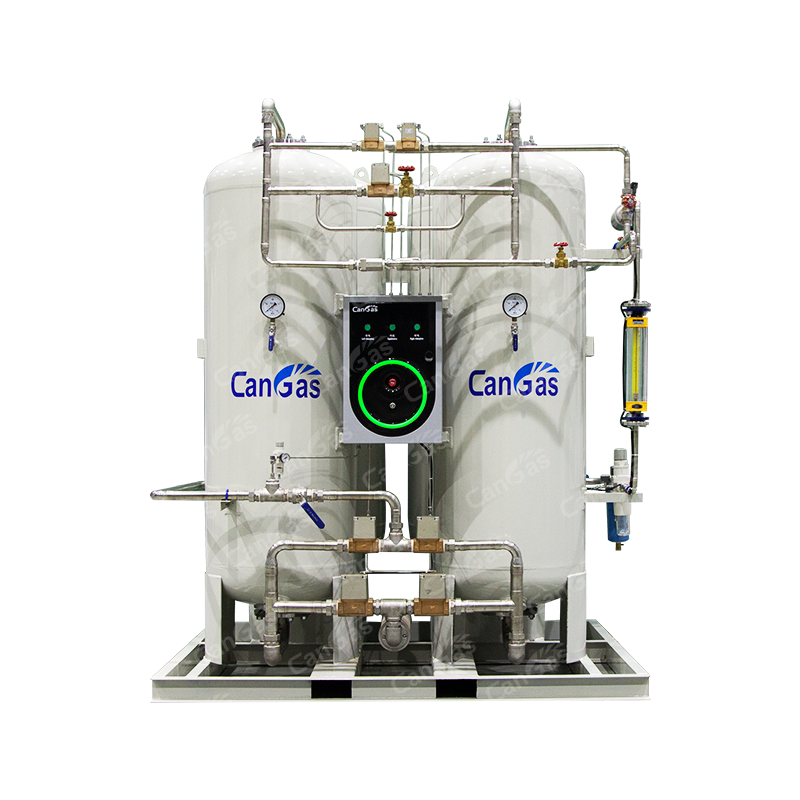
Diffuse oxygen supply systems are commonly used in high-altitude oxygen-enrichment projects. Since oxygen delivery piping is an indispensable component of these systems, construction contractors are required to hold either GC1 or GC2-level pressure piping installation qualifications.
I. Core Requirements for Pressure Piping Qualifications
The core requirements for these qualifications focus on four key areas: personnel, equipment, management systems, and track record.
Personnel Allocation
• Quality Assurance Engineer: For the GC1 level, a senior professional title and over 8 years of experience are required. For GC2 and GC3 levels, an intermediate professional title and over 4 years of experience are necessary.
• Quality Control System Personnel: This covers various stages, including processes, materials, and welding. For GC1-level projects, personnel responsible for non-destructive testing (NDT) must hold Level III qualifications in radiography or ultrasonic testing.
• Technical Personnel: The GC1 level requires a minimum of 30 personnel (including at least 3 with senior titles and 6 with intermediate titles). The GC2 level requires at least 6 personnel, with a minimum of 3 holding intermediate titles.
• Certified Operational Personnel: A sufficient number of welders, NDT personnel, and other operational staff must hold the appropriate qualification certificates.
Equipment and Site Conditions
• Key Equipment: Contractors must possess fully automatic welding machines, radiographic testing equipment, spectral analyzers, and other necessary tools. Specific requirements vary depending on the qualification level.
• Site Facilities: Facilities must include a welding procedure qualification laboratory and a compliant piping prefabrication workshop. Specific spatial and area requirements also apply.
Track Record Requirements
Trial Installation Projects: Installation units seeking initial certification, or those looking to add or upgrade qualification categories, must demonstrate their capabilities through a trial installation project subject to supervisory inspection.
Quality Management System
• System Documentation: Comprehensive quality assurance manuals and procedural documents must be prepared, clearly defining the quality control requirements and methods for each stage.
• Effective Operation: The system must operate effectively through internal audits and management reviews, and all records must be meticulously maintained.
II. Importance of Pressure Piping Qualifications
Pressure piping installation qualifications are not merely a "permit" to undertake construction work; fundamentally, they represent a systematic risk control mechanism endorsed by the state.
Ensuring Professional Competence of Personnel
Certified welders and qualified inspection personnel ensure that construction is carried out in a standardized manner, thereby minimizing errors at the source. Furthermore, to obtain and maintain their qualifications, enterprises prioritize safety training, making "safety first" a core habit for everyone involved.
Ensuring Reliable Construction Quality
Qualified enterprises strictly adhere to national technical standards and specifications during installation. Every step—from material selection and welding to anti-corrosion treatment and final acceptance—is grounded in established protocols. To meet qualification requirements, these enterprises establish robust quality management systems that cover key quality control points throughout the construction process, ensuring the overall quality and safety of the project.
Promoting Standardized Safety Management
Enterprises holding such qualifications tend to be more proactive in strictly following procedures and implementing protective measures when performing hazardous tasks, such as hot work or high-altitude operations. More importantly, the qualification review mechanism reinforces the enterprise's primary responsibility for risk prevention and control. This compels them to conduct thorough and meticulous on-site risk assessments and hazard inspections, fundamentally buying valuable time for emergency responses and establishing a critical line of defense to minimize potential losses.
In summary, pressure piping qualifications are not merely a prerequisite for enterprises to conduct business legally; they are a core element in ensuring construction safety. Through these various mechanisms, the qualifications ensure that every project meets high standards of safety and reliability, ultimately serving the broader needs of social development.