

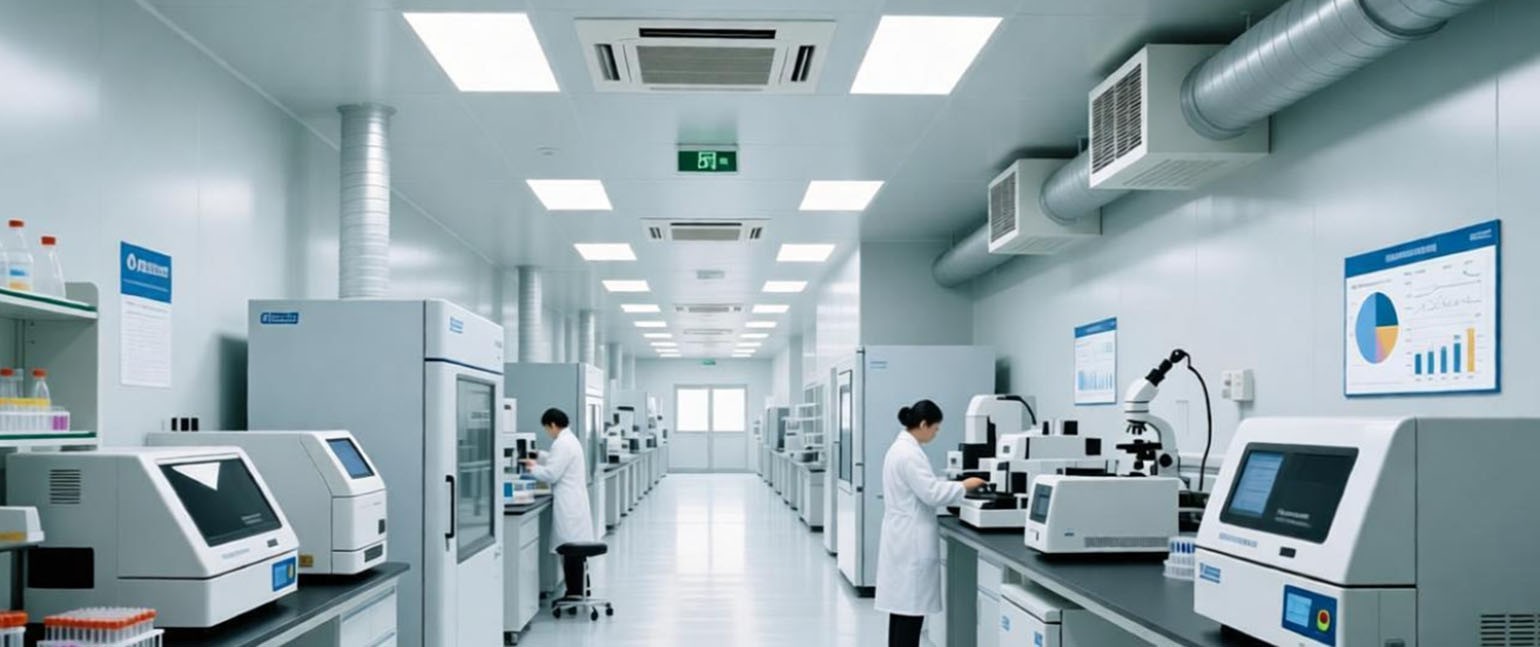
Oxygen finds a wide range of applications in laboratories, spanning from chemical materials and biomedicine to environmental energy. Specific applications include combustion reactions, analytical testing, cell/tissue culture, animal experiments, microbiological research, and water quality analysis.
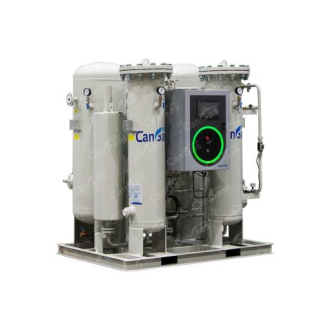
The main oxygen sources used in laboratories are bottled oxygen, liquid oxygen, and PSA oxygen generation systems, each suitable for different laboratory oxygen needs. This article focuses on the characteristics and advantages of PSA oxygen generation systems tailored for laboratory use.
Characteristics of PSA Oxygen Generation Systems for Laboratories
Considering the specific traits of laboratories, laboratory oxygen generators should possess the following features:
1.Small size and portability: It reduces the space occupation in laboratories and improves the utilization rate of the oxygen generator.
2.High stability: They ensure efficient oxygen generation and supply, capable of quickly and stably outputting qualified oxygen with minimal purity fluctuations. The system's built-in multi-stage filtration system effectively removes impurities, ensuring stable product oxygen quality.
3.Simple operation: The equipment should be fully automatic, plug-and-play, and easy to operate.
4.Safe and reliable: System components should utilize high-quality gas production materials and parts, offering high durability and stability, enabling long-term stable operation and guaranteeing a continuous and reliable oxygen supply for the laboratory. Additionally, laboratory oxygen generators should have multiple safety protection measures, such as overload protection and leakage protection. The equipment should also feature low operating noise (silent design or good sound insulation design) to ensure the safety and health of laboratory personnel.
Advantages of PSA Oxygen Generation Systems as an Oxygen Source
1.Continuous and stable gas production: Reliable product oxygen quality, no need for procurement and transportation, and no dependence on suppliers and delivery.
2.Low overall cost for long-term use: Electricity and maintenance costs are lower than long-term external oxygen purchase. No handling and storage management of high-pressure gas cylinders, making it safer to use.
3.On-demand gas production: No volatile losses; low operating noise, suitable for laboratory environments.
Decision-Making Process
When choosing an oxygen generation system, it is recommended to conduct a comprehensive evaluation using the following steps:
1. List requirements: Determine the total peak flow rate, purity, and pressure of the required oxygen.
2.Inspect the equipment: Pay attention to the actual noise level during operation and confirm that the purity display and alarm functions are intuitive and reliable.
3.Verify cleanliness: Inquire about the filter system configuration and confirm that it meets the oxygen quality requirements of the laboratory.
4.Calculate costs: Add up the equipment purchase price, estimated energy consumption, and consumable replacement cycle to calculate the oxygen generation cost over the entire lifecycle.
5.Select 2-3 professional on-site oxygen generation equipment suppliers for comparison: Prioritize manufacturers with extensive experience and successful case studies in laboratory settings. Carefully confirm whether they can provide comprehensive after-sales service and technical support.