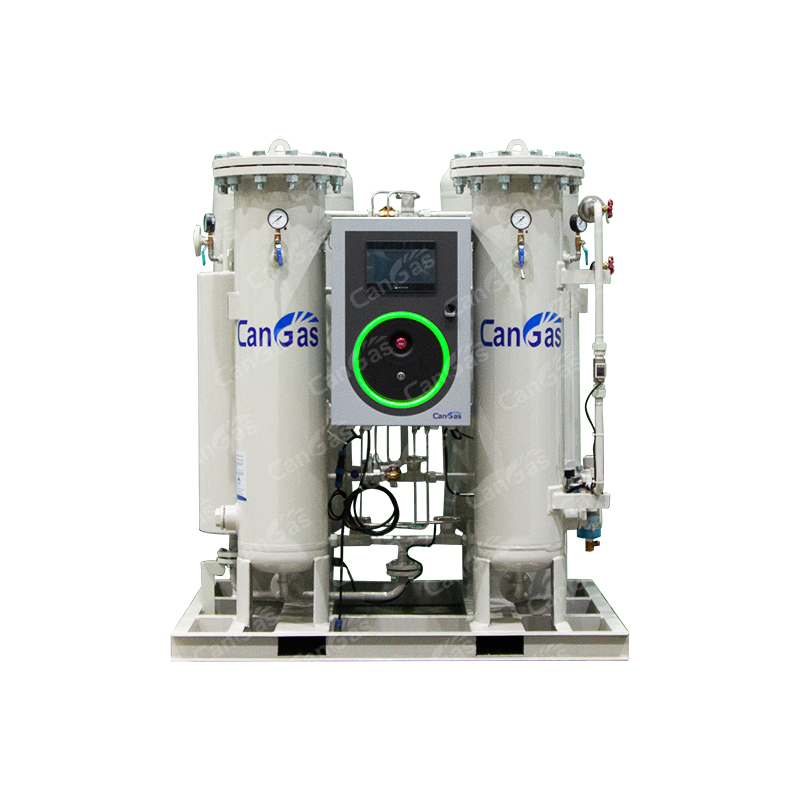

As a crucial piece of industrial equipment, a PSA nitrogen generator may encounter various unforeseen situations during long-term operation, such as equipment failure, pipeline leaks, abnormal pressure, and power outages. Therefore, to respond quickly and effectively to emergencies and ensure the safety of personnel and equipment, more and more companies are emphasizing and developing comprehensive emergency plans.
An emergency plan can be broadly defined as a pre-established work plan aimed at responding to emergencies in a legal, rapid, scientific, and systematic manner, minimizing the events and their resulting damage. It typically includes the following aspects:
1. Definition and Classification of Emergencies: Clearly define and classify emergencies. List common emergencies such as equipment failure, nitrogen leaks, abnormal pressure, and power outages, and assess and categorize them based on their severity and urgency.
2. Alarms and Emergency Shutdown: Ensure that the equipment system can promptly issue alarm signals when an emergency occurs. Develop emergency shutdown procedures to ensure that the equipment stops operating immediately after an alarm is triggered, preventing further escalation.
3. Notification and Communication: In the event of an emergency, relevant responsible persons and staff must be notified promptly, and necessary information and guidance must be provided to them in a timely manner to ensure the emergency is handled properly. Multiple communication methods should be used flexibly to transmit accident information promptly and reliably.
4. Accident Analysis and Response Measures: Once an emergency occurs, an accident analysis and assessment must be conducted quickly. By understanding the cause and extent of the accident, corresponding response measures can be formulated.
5. Safe Evacuation and First Aid Measures: In an emergency, ensuring the safety of personnel is paramount. The emergency plan should include operational procedures for safe evacuation and first aid measures to ensure that personnel receive timely and effective assistance. At the same time, necessary first aid equipment and supplies should be provided for rescue in emergency situations.
6. Accident Reporting and Review: After an accident, an accident report must be prepared promptly, detailing the accident's course, causes, and handling process. Simultaneously, a thorough review of the accident is necessary to identify the root causes of the problems and make improvements to reduce the recurrence of similar accidents.
7. Emergency Drills and Training: To ensure the effectiveness of the emergency plan, emergency drills and training should be conducted regularly. By simulating emergency situations, relevant personnel can understand and familiarize themselves with the operational procedures of the emergency response plan, improving their ability and skills to deal with emergencies. Furthermore, emergency drills can identify shortcomings in the plan, helping to make timely adjustments and improvements.
In fact, in specific sectors such as the petrochemical industry, most companies have developed strict emergency plans for PSA nitrogen generators; they proactively address various potential emergencies to ensure the continuity and safety of production.
In my country, there are also clear legal and regulatory provisions regarding the establishment of emergency response systems. Companies with comprehensive emergency plans are more likely to pass government or third-party safety audits and certifications. This not only enhances the company's image but also strengthens the trust of customers and partners.