
How to Determine if Oxygen Concentrator Molecular Sieves Are Damaged and Require Replacement
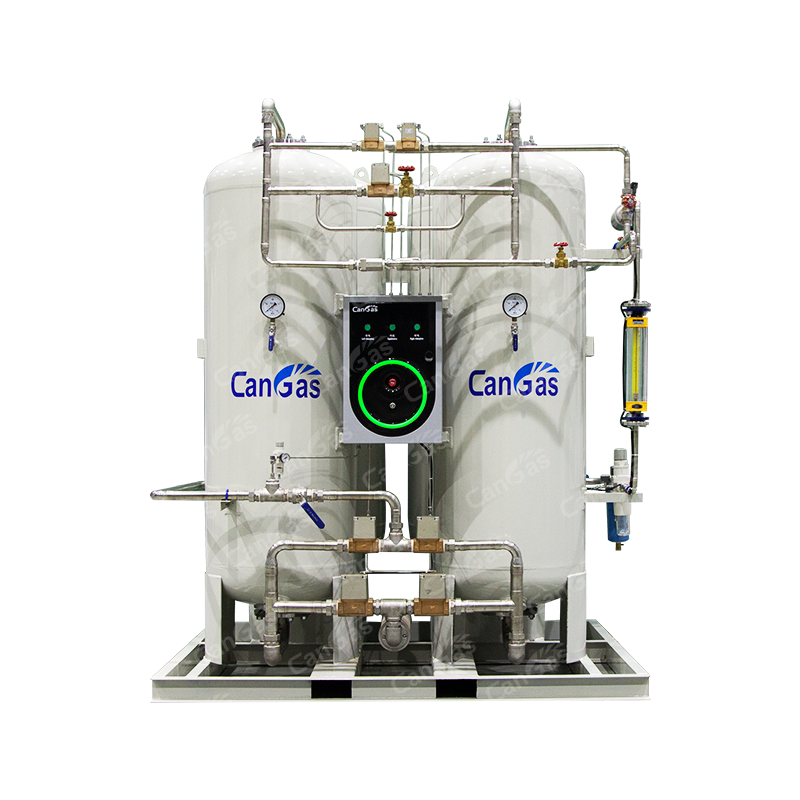
Molecular sieves are a core component of PSA oxygen concentrators, and their quality directly impacts the system's oxygen production performance. Generally, the zeolite molecular sieves used in PSA oxygen concentrators have a lifespan of 5 to 8 years. However, in practice, they can sustain damage due to various factors, leading to a shortened service life. To determine if the molecular sieves are severely damaged and require replacement, a comprehensive assessment can be conducted based on the following indicators and methods:
• A significant drop in oxygen purity that cannot be maintained at normal levels, even during full-load operation;
• A marked decline in oxygen output (by more than 20%) under identical operating conditions, with no recovery to normal levels;
• Abnormal pressure fluctuations;
• An increase in dew point temperature;
• A reduction in the adsorption cycle duration of the adsorption towers.
During a shutdown inspection, the condition of the molecular sieves can also be visually examined for further confirmation:
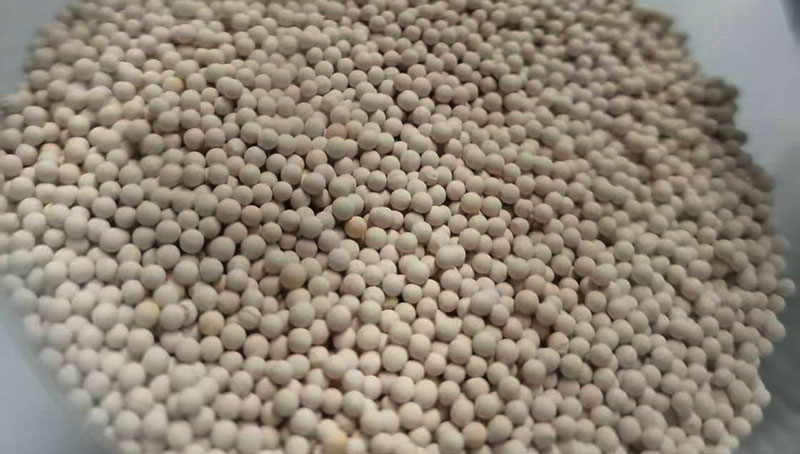
• Healthy zeolite molecular sieves should appear beige or white. If the sieves show localized dark brown or black discoloration, or traces of oil stains, they are contaminated or damaged;
• The molecular sieves have become loose or fragmented, showing significant particle breakage or pulverization.
The occurrence of any of the above conditions indicates that the unit should be shut down immediately for maintenance and molecular sieve replacement. Even when the equipment is idle or in storage, molecular sieves undergo degradation, and their performance may deteriorate even faster than during normal operation.