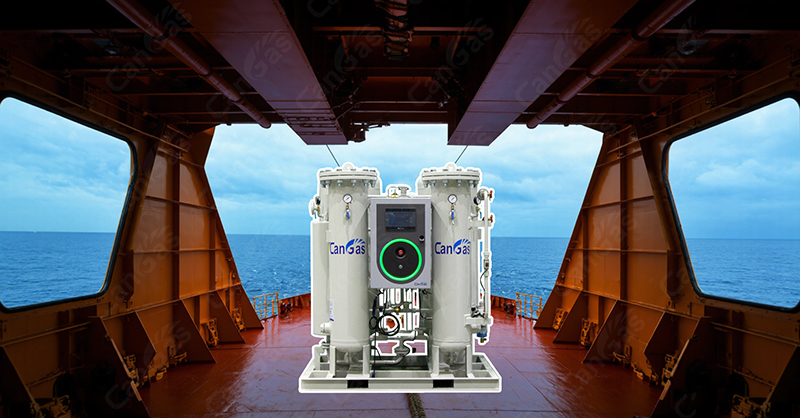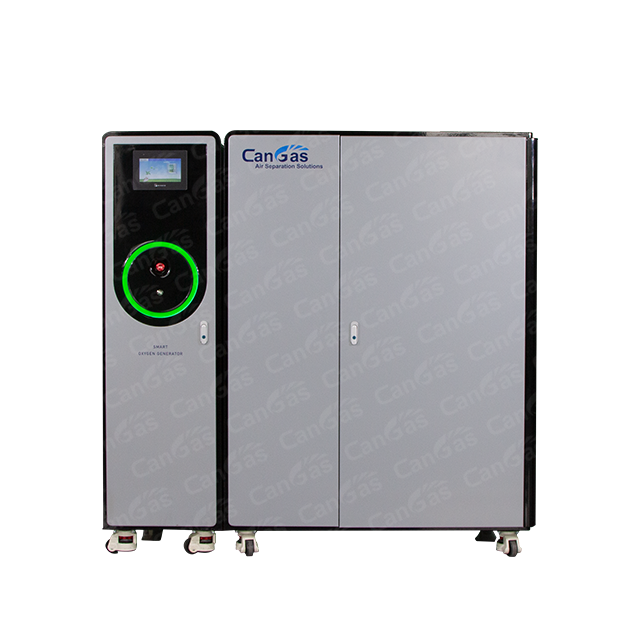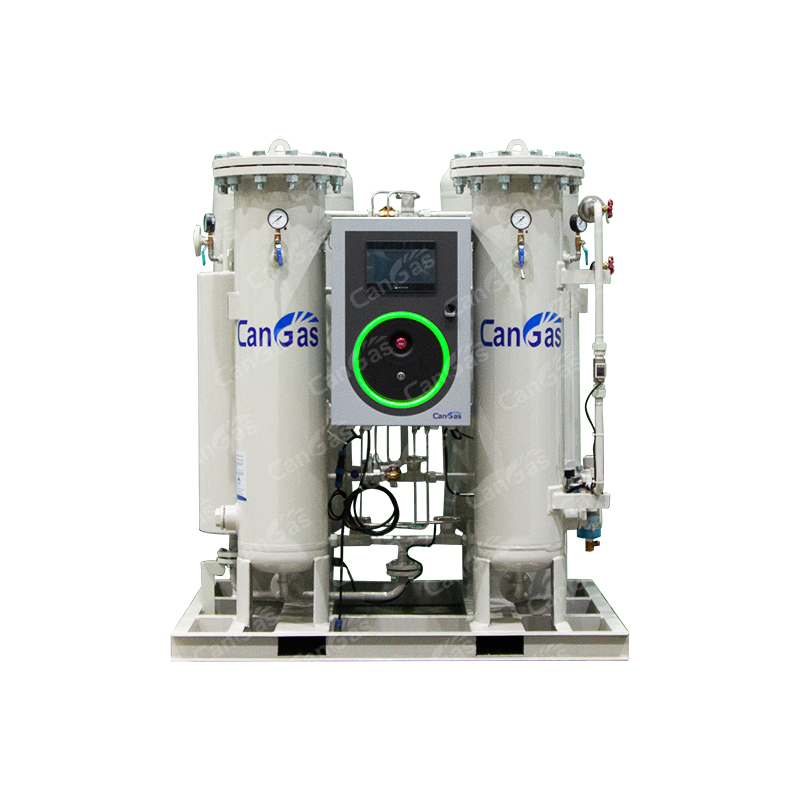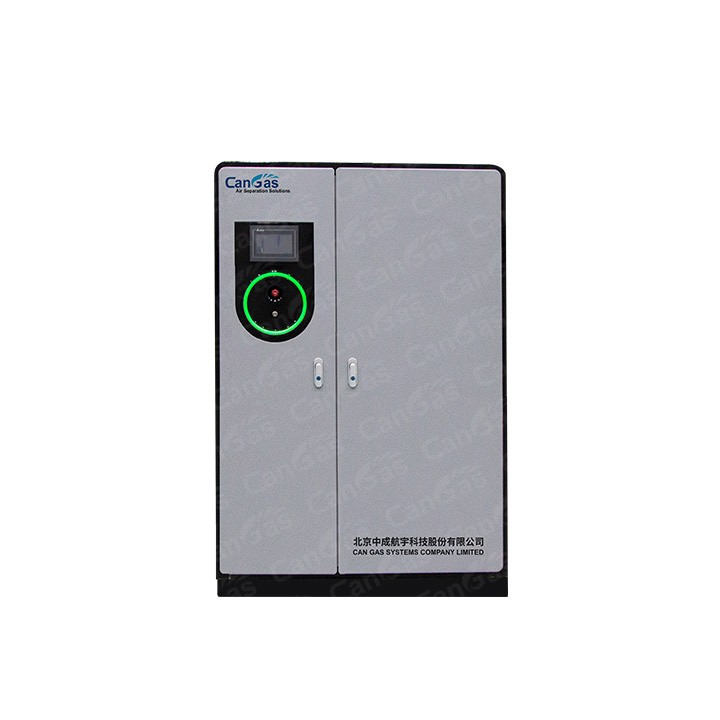

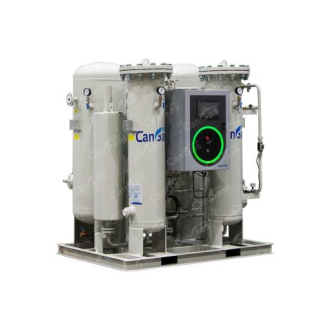
Characteristics of PSA Nitrogen Generators for Marine Applications
Marine PSA nitrogen generators operate on the same fundamental principle as standard PSA nitrogen generators, utilizing pressure swing adsorption technology to separate nitrogen from compressed air. However, the marine environment presents unique challenges, necessitating special designs or adaptations in PSA nitrogen generators used on vessels. These distinguishing characteristics include:
1. Space-Saving Design: Given the limited space onboard ships, marine PSA nitrogen generators require a more compact structure to minimize their footprint and facilitate installation within confined areas.
2. Energy Efficiency: Due to finite onboard power supply, marine PSA nitrogen generators must be designed for high efficiency and low energy consumption.
3. Environmental Friendliness: The generator's operation should avoid the use of harmful chemicals and the production of polluting emissions, ensuring compliance with environmental regulations.
4. Ease of Maintenance: The design should prioritize minimal and straightforward maintenance to reduce overall ship operating costs.
5. Vibration Resistance: To withstand vibrations encountered during navigation, the equipment must be built with robust construction and shock-resistant components.
6. High Degree of Automation: Integration of an intelligent control system enables automated operation, reducing crew workload and enhancing operational reliability.
7. Enhanced Safety: Marine generators must meet stringent safety standards, including explosion-proof and fire-resistant features. They must also adapt to the ship's power system (accommodating voltage and frequency fluctuations) and incorporate safety functions such as overpressure and overheating protection. The outlet pressure must comply with the ship's system requirements.
8. Strong Adaptability: The equipment must reliably operate in diverse marine environments, adapting to variations in temperature, humidity, and salt spray corrosion.
9. Relevant Certifications: Obtaining specific certifications from classification societies and approvals from bodies like the International Maritime Organization (IMO) is essential.
In summary, selecting a suitable marine PSA nitrogen generator is crucial for ensuring a safe, efficient, and stable nitrogen supply onboard. This requires comprehensive consideration of the generator's technical parameters, environmental adaptability, energy efficiency, safety standards, maintainability, space optimization, intelligent controls, and user experience. A thorough evaluation will ultimately lead to the selection of the most appropriate PSA nitrogen generator for specific operational needs.