
How On-Site PSA Oxygen Systems Enhance Medical Gas Pipeline Safety and Efficiency
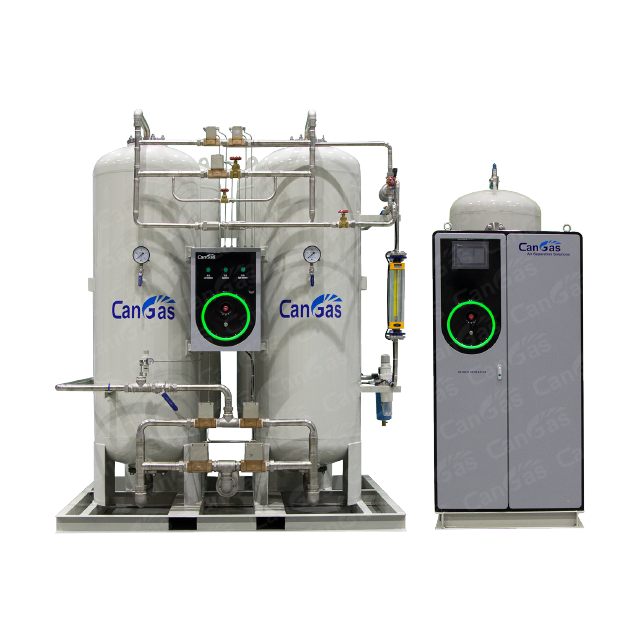
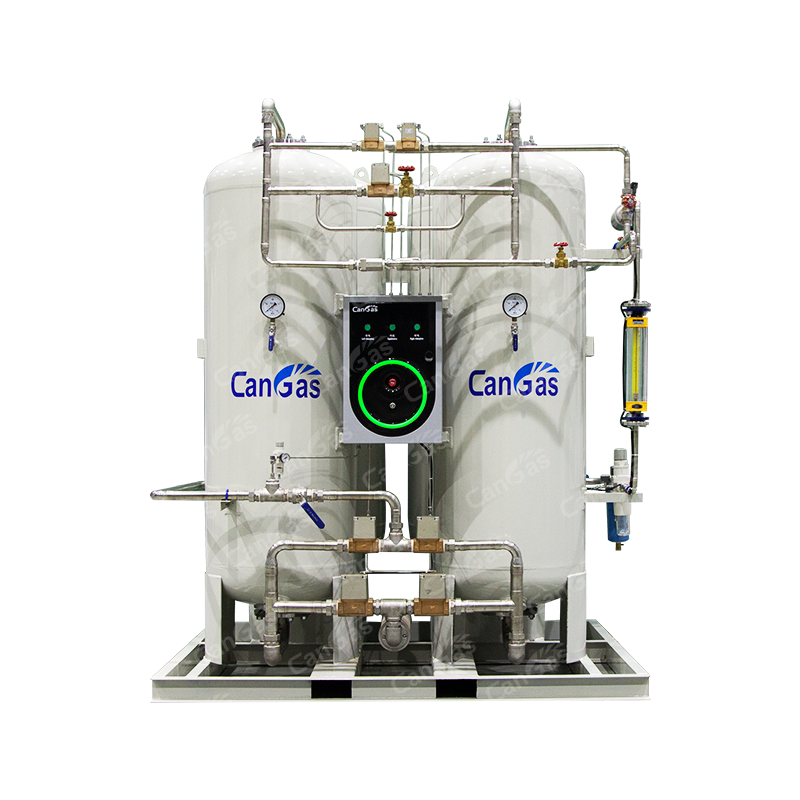
On-site PSA (Pressure Swing Adsorption) oxygen generation systems offer significant and multifaceted benefits in improving the safety and efficiency of medical gas pipeline systems, primarily through the following aspects:
I. Enhanced Safety
Elimination of External Supply Chain Risks
Reduced Pressure Fluctuation Risks
Oxygen Quality Assurance
Minimized Human Error
● Transportation Safety: Removes risks associated with transporting high-pressure oxygen cylinders or liquid oxygen tanks, such as explosions or fires caused by collisions, leaks, or traffic accidents.
● Storage Safety: Eliminates hazards from storing large quantities of cryogenic liquid oxygen tanks (requiring ultra-low temperatures) or high-pressure gas cylinders (e.g., leaks, tipping, explosions), reducing on-site accident risks.
● Supply Chain Resilience: Minimizes reliance on external suppliers, preventing disruptions due to natural disasters, logistics failures, or supplier issues, ensuring uninterrupted oxygen supply.
● Stable Pressure Supply: PSA systems with buffer tanks deliver consistent pressure and flow, mitigating pipeline stress and component damage from sudden pressure changes.
● Smooth Operation: Avoids pressure spikes caused by switching between cylinder banks or liquid oxygen vaporizers.
● Real-Time Monitoring: Advanced systems integrate online purity and dew point analyzers to ensure compliance with medical standards.
● Contamination Control: On-site production avoids potential contaminants (oil, particulates) introduced during transportation/filling of external sources.
● Automated Operation: Reduces manual handling risks (e.g., cylinder changing, valve switching).
● Fewer Connection Points: Eliminates frequent cylinder-pipeline connections, lowering leak risks.
II. Energy Efficiency Optimization
Cost Reduction
Reduced Waste
Energy Efficiency
● Lower Unit Costs: For medium-scale demands, PSA systems are more economical than cylinder/LOX over time due to lower energy consumption.
● Eliminated Intermediate Costs: Removes expenses related to production, transport, storage, and rental of gas containers.
● Demand-Driven Production: Matches oxygen output to actual usage, avoiding surplus waste or shortages.
● Near-Zero Residual Gas: Unlike cylinders, PSA systems utilize nearly all generated oxygen.
● High-Efficiency Compression: Modern compressors and optimized adsorption cycles improve performance.
● Heat Recovery: Some systems recapture compressor waste heat for secondary use.
III. System Reliability & Management
Continuous Supply
24/7 operation with redundant units and emergency backup ensures uninterrupted service.
Streamlined Maintenance
Pipeline Efficiency
● Centralized Monitoring: Real-time data (pressure, purity, faults) accessible via hospital networks.
● Predictive Maintenance: Automated alerts for filter replacements and molecular sieve lifecycle management.
● Simplified Inventory: No need for cylinder/LOX stockpiles, saving space and labor.
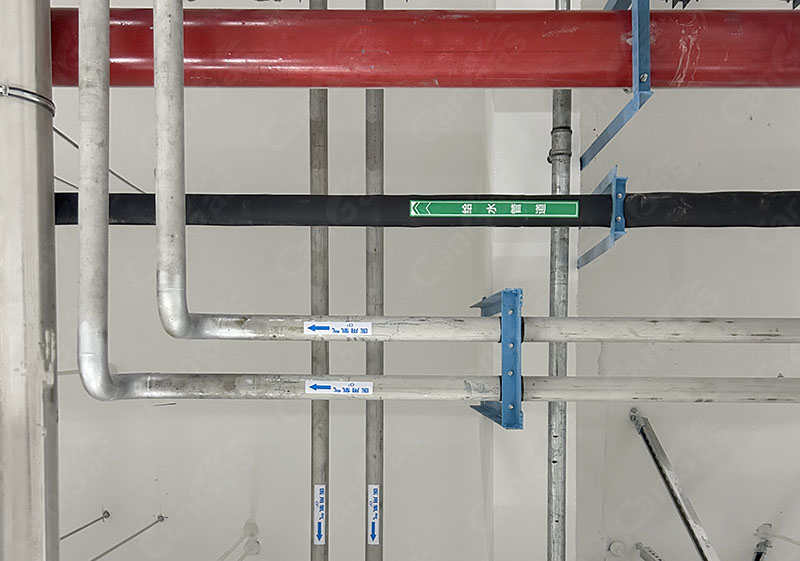
● Optimized Pressure Matching: Direct output (0.4–0.5MPa) aligns with pipeline requirements, reducingenergy loss.
● Peak Load Smoothing: Stabilizes demand fluctuations, extending pipeline lifespan.
IV. Environmental Sustainability
● Lower Carbon Footprint: Cuts emissions from delivery trucks and cylinder transport.
● Reduced Pollution: Eliminates exhaust pollution from frequent vehicle trips.
Key Considerations
● Initial Investment: Higher upfront costs (typically recouped in 2–3 years).
● Space/Infrastructure: Requires dedicated rooms (ventilation, power) and compressed air.
● Redundancy: Mandatory backup units and emergency oxygen sources.
● Compliance: Must meet medical gas standards .
On-site PSA oxygen generation enhances source-to-point safety, cuts long-term costs, and boosts operational reliability, making it a cornerstone of modern medical gas infrastructure. It addresses traditional supply vulnerabilities while supporting sustainable, intelligent healthcare ecosystems.