
Exploring Medical Molecular Sieves: From Early Discovery to Modern Applications
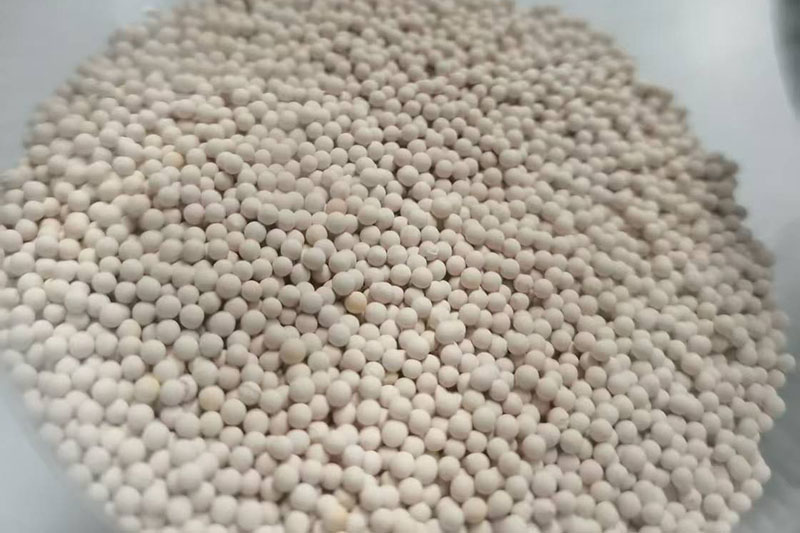
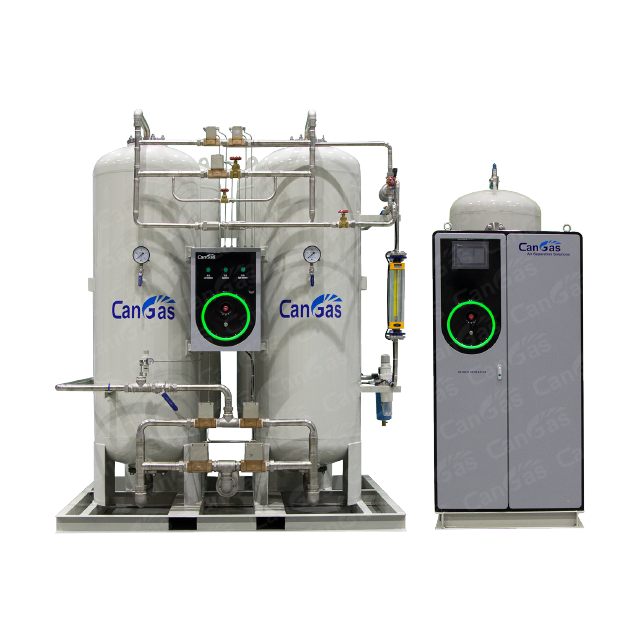
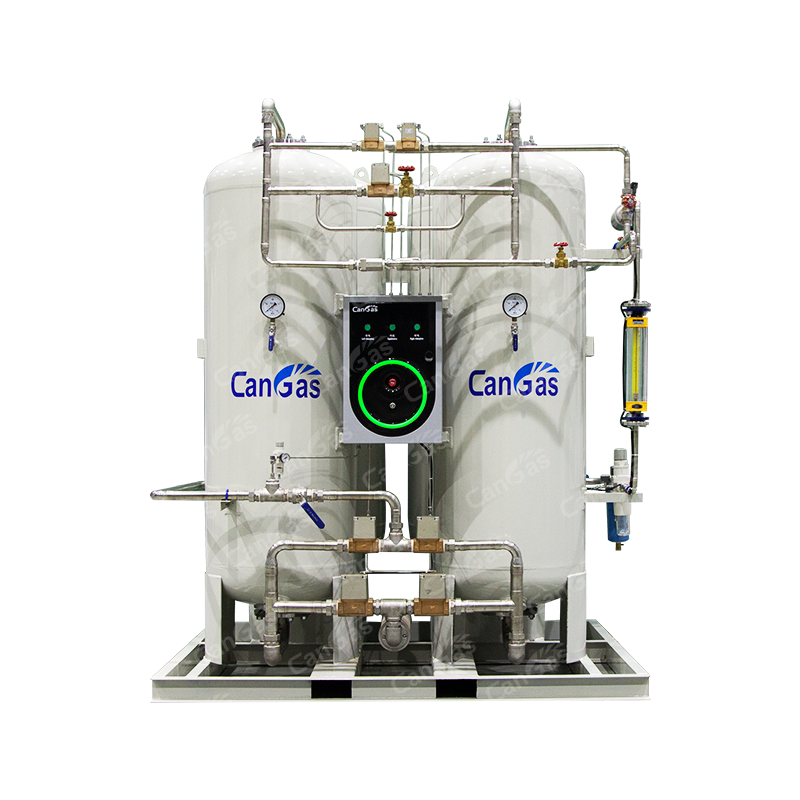
Zeolite molecular sieves are a crucial component of pressure swing adsorption (PSA) oxygen generators. The molecular sieves used in medical oxygen generators feature a more precise structural design and superior performance compared to those in ordinary oxygen generators. This precise structural design is the result of extensive scientific research, experimental verification, and rigorous quality control. The development of medical molecular sieves can be seen as a microcosm of the development of PSA oxygen generators.
Early Theoretical and Basic Research Stage (1750-1960)
· 1750: A Swedish mineralogist discovered a natural aluminosilicate mineral that exhibited bubbling and boiling phenomena when heated, naming it zeolite, meaning "boiling stone." This marks the earliest form of molecular sieve.
· 1883: The ion exchange properties of zeolite were first observed and applied.
· 1948: British chemists proposed the concept of synthesizing zeolite molecular sieves and achieved the first synthesis of an artificial zeolite molecular sieve with a completely new structure, thus ushering in the era of synthetic zeolite molecular sieves.
· 1950: An American company successfully synthesized three novel types of zeolite molecular sieves. Two of these were commercially applied as industrial adsorbents and still hold an important position in the adsorbent and catalyst market today.
· 1960s: With in-depth research, breakthroughs were achieved in the application of molecular sieves in air separation. The principle of separating oxygen and nitrogen from air using molecular sieves was gradually understood and mastered, laying the foundation for the development of medical oxygen generation technology.
Initial Application and Technological Improvement Stage (1970-1980)
· 1970s: Medical molecular sieves began to enter the initial application stage, mainly used in hospital central oxygen supply systems. During this period, medical molecular sieve equipment was relatively large and inefficient, but under the medical conditions at the time, it served as an effective solution for centralized oxygen supply in hospitals. Meanwhile, researchers continuously improved the performance of molecular sieves to enhance their adsorption capacity and separation efficiency.
· 1980s: Medical molecular sieves underwent further improvements and refinements. More efficient and compact molecular sieve oxygen generators emerged, significantly increasing oxygen production and concentration to better meet clinical needs. Furthermore, the lifespan of molecular sieves was extended, and maintenance costs were reduced to some extent, making their use in hospitals economical and widespread.
Rapid Development and Popularization Stage (1990-Present)
· 1990s: The increasing demand for molecular sieve oxygen generation (as a replacement for traditional oxygen supply methods) and the rise of the home healthcare market brought new opportunities for the development of medical molecular sieves. This led to continuous innovation and development in medical molecular sieve technology and an increasingly diverse range of products.
· 2000-Present: After years of technological accumulation, medical molecular sieves have become technically quite mature, and their application areas are constantly expanding. In addition to traditional medical institutions, industrial oxygen supply, and home oxygen therapy, they are gradually expanding into fields such as high-altitude oxygen enrichment and aerospace. Simultaneously, the performance parameters of medical molecular sieves are continuously being improved.