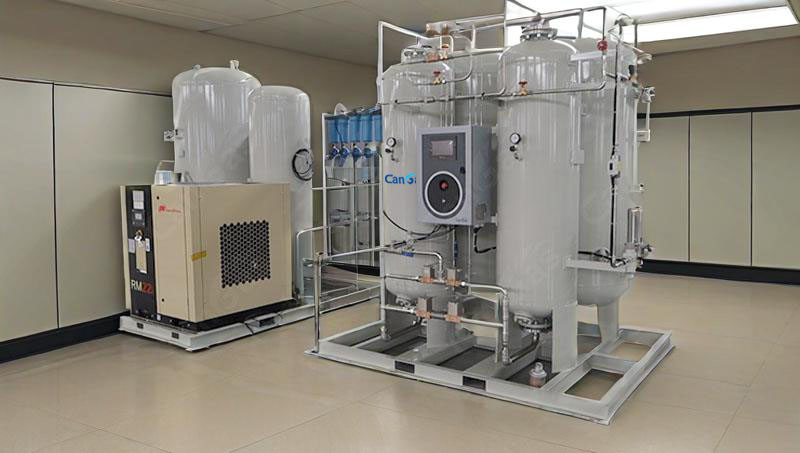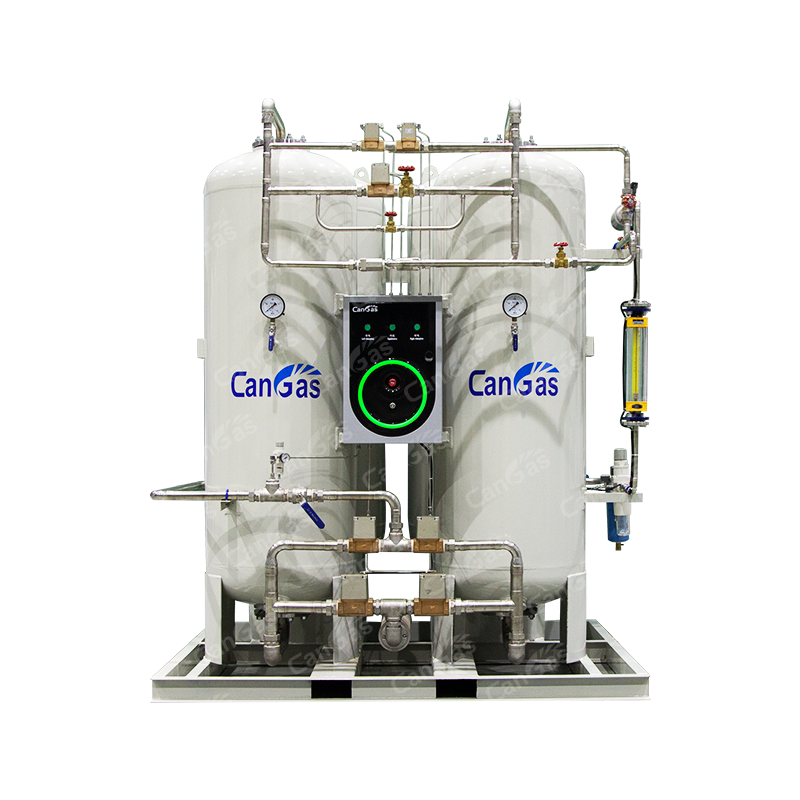

In actual production scenarios, business adjustments or market fluctuations may leave a PSA oxygen generation system idle for a long time. When the oxygen generation system is shut down and remains inactive for an extended period, many internal components will deviate from their designed operating conditions, which may trigger a variety of malfunctions. The key risks requiring attention are summarized as follows:
I. System-Related Issues
· The molecular sieve is the core component of a PSA oxygen generator. After prolonged shutdown, the molecular sieve may absorb moisture and agglomerate, resulting in performance degradation. Once this happens, the molecular sieve must be replaced, and the entire system shall be purged with dry nitrogen before restarting.
· If equipment valves stay idle for a long time, the sealing rings of pneumatic and solenoid valves may age and degrade, and valve cores may become corroded. This will cause internal gas leakage or process logic disorder, further reducing oxygen output and purity.
· If system pipelines are not thoroughly drained before shutdown, corrosion and blockages are likely to occur, especially for carbon steel pipelines. This will adversely affect system pressure stability and lead to excessive impurities in product gas.
· Prolonged power failure may cause capacitor failure and moisture damage to the PLC modules and sensors, resulting in inaccurate display of operating parameters and false alarm triggers.
· Exhaustion of the system backup battery will lead to the loss of stored program data.
· When an air compressor is kept static for a long time, its lubricating oil may stratify or oxidize. The deteriorated lubricant will accelerate wear of the compressor bearings.
· Rubber and plastic internal components continue to age naturally even under shutdown conditions. Aged parts such as sealing rings and pipelines are prone to cracking and subsequent gas leakage. This not only reduces oxygen generation efficiency but also creates potential safety hazards.
II. Operational Issues
1. Difficulty in Startup
After long-term shutdown, the equipment may fail to start normally, due to dried-up lubricant in mechanical parts as well as moisture intrusion into electrical wiring and control systems.
2. Parameter Deviations
Long-term shutdown will change the internal physical and chemical environment of the oxygen generator. The original operating parameters will no longer match the system’s actual conditions after restart, causing oxygen output and purity to fail to meet design targets.
3. Increased Maintenance Costs
To ensure normal operation of the PSA oxygen generator after restart, comprehensive inspection and maintenance are mandatory. This includes replacement of aging parts, replenishment of lubricants, as well as inspection and calibration of electrical systems, which inevitably increases overall equipment maintenance costs.
If the equipment needs to be kept idle for a long period, complete cleaning and maintenance shall be performed in advance, and all component connections shall be checked to ensure they are fastened securely. Afterwards, the equipment should be placed in a dry, cool and well-ventilated environment, with all inlet and outlet valves fully closed to prevent moisture ingress. In general, it is recommended to contact the manufacturer for a professional systematic inspection before restarting long-idle equipment, so as to avoid latent faults affecting normal production.