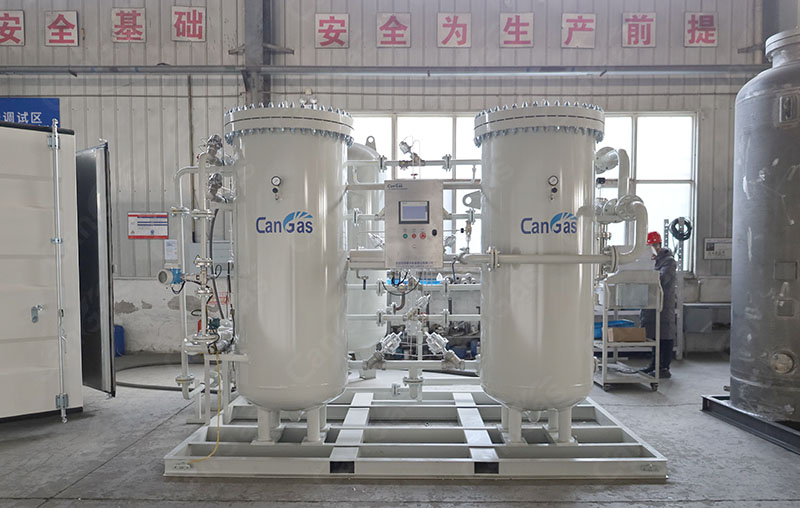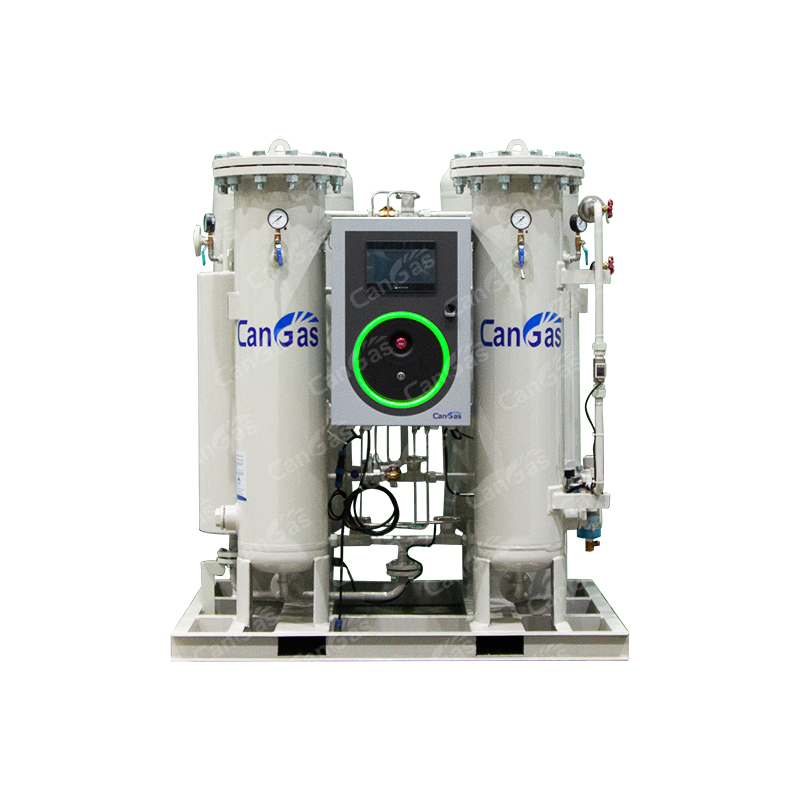

Do not Be Misled! Discover the True Safety Standards of PSA Nitrogen Generation Systems
Because PSA nitrogen generation systems are often associated with traditional industries—such as chemical manufacturing and metal processing—those unfamiliar with the technology may erroneously link them to "hazardous factors" like high pressure and nitrogen leaks, while overlooking the inherent safety features built into the system's design. In reality, within the field of air separation, PSA nitrogen generation systems boast a very high safety coefficient. Specifically:
I. Safety Advantages of PSA Nitrogen Generation
1. Operation at Near-Atmospheric Pressure: Low Risk PSA nitrogen generation systems typically operate at low pressures (0.7–1.0 MPa), which is significantly lower than the high-pressure environments required for cryogenic air separation. This significantly reduces the risk of gas leaks or vessel ruptures. Furthermore, the system's process flow is automatically controlled via a PLC, allowing for real-time monitoring of pressure and purity; in the event of any anomaly, the system can automatically shut down to ensure safety.
2. No Extreme Temperature Risks Unlike cryogenic air separation (which requires ultra-low temperatures of -196°C to liquefy air), PSA systems operate at ambient temperatures. This eliminates the risks associated with cryogenic liquid leaks—such as frostbite injuries or equipment embrittlement.
3. Physical Adsorption: No Chemical Reactions PSA technology separates oxygen solely through physical adsorption using carbon molecular sieves; it does not involve any chemical reactions. Consequently, there is no risk of hydrogen explosions or hazardous chemical reagent leaks.
4. Automation and Fault Protection Mechanisms The system's fully automated operation minimizes the potential for human error. It features a built-in fault diagnosis system capable of issuing real-time alarms and initiating automatic shutdowns—for instance, triggering an alarm and emergency shutdown in the event of excessive settling of the adsorbent bed—thereby ensuring the equipment's safe and stable operation.
II. Safety Hazard Comparison: Other Nitrogen Generation and Supply Methods
1. Cryogenic Air Separation Method
· High Pressure and Low Temperature Risks: Requires high-pressure compression (>3 MPa) and ultra-low temperature environments (-196°C), creating risks of frostbite or explosions in the event of liquid oxygen or nitrogen leaks.
· Equipment Complexity: Large-scale storage tanks and extensive piping systems are susceptible to leaks caused by material fatigue or operational errors.
2. Membrane Separation Method
· Membrane Aging and Rupture: The polymeric membrane materials are prone to aging and degradation caused by contamination from oil or water. Membrane rupture can lead to sudden pressure fluctuations or the risk of gas mixing.
· Purity Fluctuations: Degradation in membrane performance may lead to elevated levels of residual oxygen, thereby increasing the risk of deflagration in flammable environments.
3. Purchased Bottled Gas / Liquid Nitrogen
· Transport and Storage Risks: High-pressure steel cylinders (15–20 MPa) pose an explosion risk during transport if subjected to impact; furthermore, a seal failure in liquid nitrogen containers can result in cryogenic injuries.
· Uncontrollable Purity: The quality of gas contained within steel cylinders varies widely, and the presence of gas impurities may compromise process safety.
Overall, the safety record of PSA nitrogen generation is considered "excellent" within the field of air separation. However, if a hydrogenation catalytic unit is incorporated into the system to enhance nitrogen purity, the introduction of additional hydrogen gas may give rise to potential safety hazards (as a mixture of hydrogen and oxygen can create unsafe conditions). Nevertheless, in actual production environments, provided that the system is well-designed and personnel adhere to proper operating protocols, the process remains both safe and reliable.