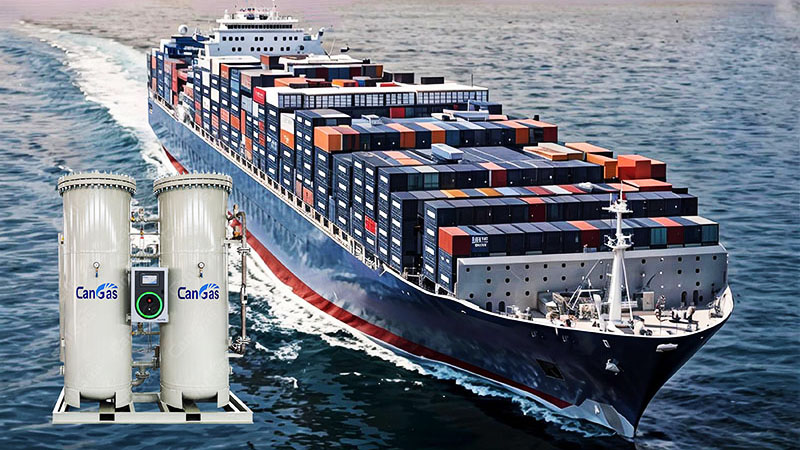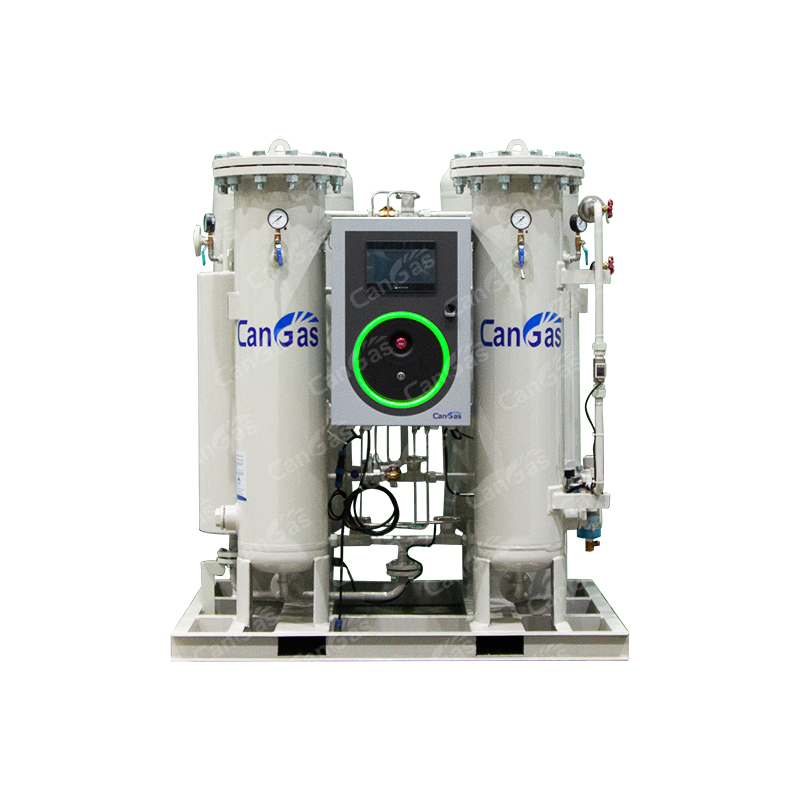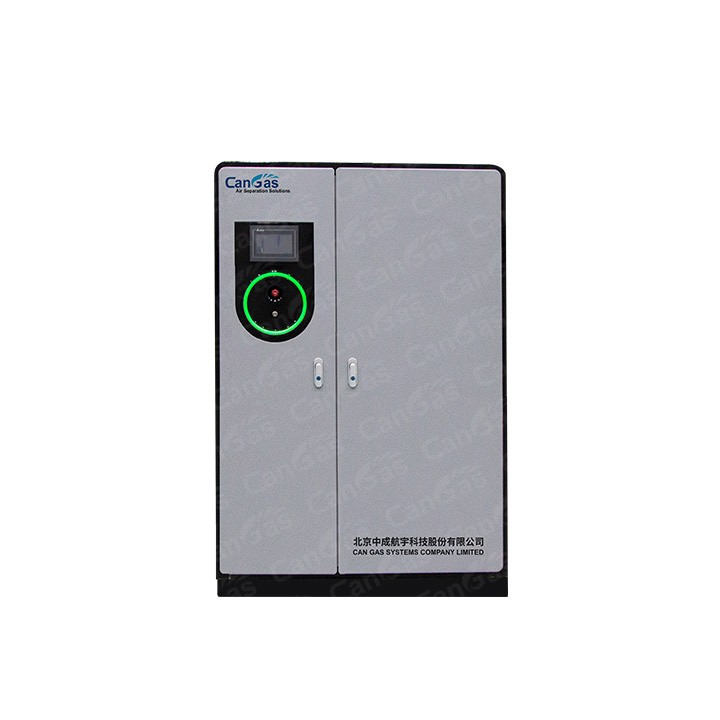

What On-Site Nitrogen Generation Equipment Offers to Tanker Vessels
Since 1974, the International Convention for the Safety of Life at Sea (SOLAS) has mandated that all oil and gas transport vessels be equipped with inert gas systems. These systems must be capable of generating inert gas with an oxygen content not exceeding 5% by volume, while maintaining positive pressure within the cargo tanks to ensure that the oxygen concentration does not exceed 8%.
Indeed, within the realm of tanker shipping, inert gas systems—particularly nitrogen inerting systems—represent a critical technology for ensuring safe transport and environmental protection. They not only meet international regulatory requirements but also effectively mitigate the risks of fire and explosion.
Depending on the size of the vessel and its specific nitrogen capacity requirements, maritime transport vessels typically have two primary options when selecting a nitrogen generation system:
1.Membrane Nitrogen Generators :These generators utilize membrane separation technology to separate nitrogen from compressed air. Membrane nitrogen generators are typically employed in applications where the required nitrogen purity is not exceptionally high.
2.Pressure Swing Adsorption (PSA) Nitrogen Generators : PSA nitrogen generators employ adsorption technology to isolate nitrogen from the air. PSA generators are capable of producing high-purity nitrogen and are frequently utilized in scenarios where stringent purity standards are required.
In certain instances, a vessel may opt for a hybrid system integrating both technologies; however, such decisions are contingent upon specific purity requirements, operational efficiency, regulatory mandates, and cost-effectiveness.
The use of on-site nitrogen generation equipment to supply nitrogen on transport vessels offers numerous advantages, ranging from continuous, round-the-clock nitrogen production to enhanced environmental protection. Specifically:
· Safety: Nitrogen generators create an inert atmosphere, thereby significantly reducing the risk of combustion or explosion on oil and gas transport vessels.
· Regulatory Compliance: By generating an inert atmosphere with low oxygen content, these systems ensure full compliance with international maritime regulations (such as the SOLAS Convention).
· Cargo Quality Control: Nitrogen generators produce clean, ultra-low-moisture nitrogen, which is used to create a nitrogen blanket over the cargo during transit. This inert blanketing preserves cargo quality by preventing oxidation and contamination.
· Environmental Protection: Nitrogen generation systems enable vessels to meet the stringent environmental standards established by port authorities, environmental organizations, and coastal nations.
· Operational Efficiency: The nitrogen generator supports 24/7 nitrogen production, eliminating the transportation and management tasks associated with alternative nitrogen supply methods, thereby reducing logistical complexity and costs. Additionally, the nitrogen can be utilized to protect pipelines and minimize the time required for tank cleaning.
· Adaptability: The nitrogen generation system can be customized to suit varying vessel sizes and specific operational requirements.
· Emergency Shutdown: In emergency situations or in the event of a fire, the nitrogen generator can be employed to create an inert atmosphere, thereby enhancing safety.
· Reduced Carbon Footprint: Generating nitrogen on-site using a dedicated generator helps to reduce the associated carbon footprint.