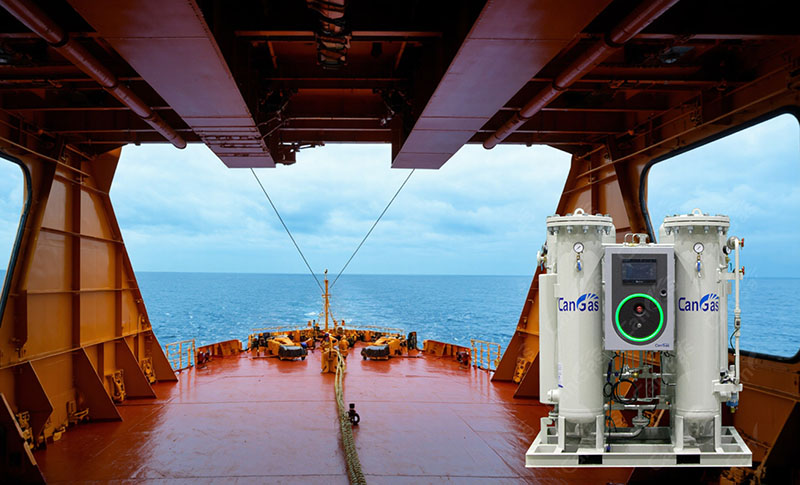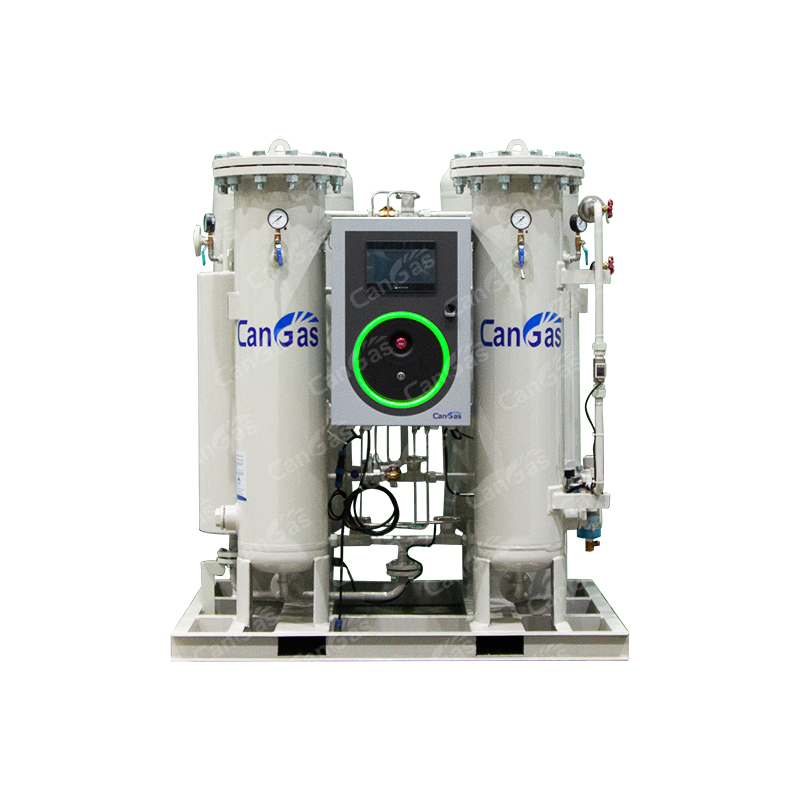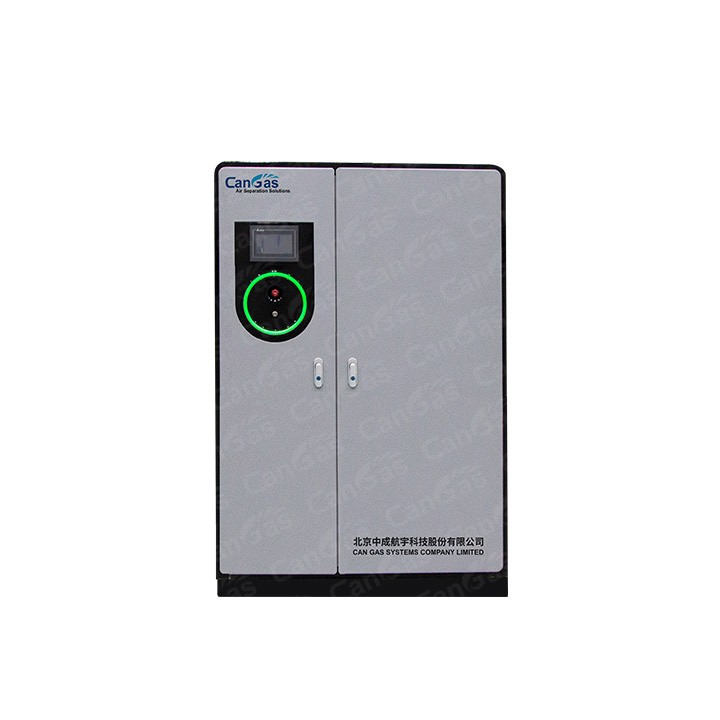

When tankers transport cargo such as crude oil, refined products, liquefied gases, and chemicals, ensuring safe navigation and environmental protection is of paramount importance. To guarantee safe transport, minimize environmental impact, and effectively mitigate the risks of fire and explosion, many vessels are equipped with inert gas systems.
Currently, the maritime industry employs three primary methods for generating inert gas within cargo tanks:
Carbon Dioxide Generators
These systems generate a gas rich in carbon dioxide (CO2) by combusting fuel within a specially designed generator. The resulting gas undergoes rigorous processing—removing impurities such as oxygen and water vapor—to ensure it meets the necessary standards for safe use as an inerting agent within cargo tanks.
Flue Gas Inerting
This method involves treating the exhaust gases produced by the vessel's engines (which are rich in CO2) to remove any residual oxygen and impurities, after which the treated gas is introduced into the cargo tanks.
Nitrogen Generation Systems
These systems—such as Pressure Swing Adsorption (PSA) units or membrane-based nitrogen generators—produce high-purity nitrogen directly from ambient air. The generated nitrogen is then injected into the cargo tanks to lower the oxygen concentration and create an inert atmosphere.
Among these options, on-site nitrogen generation systems have become the preferred choice in the maritime industry due to nitrogen's inert properties, high compressibility, and the systems' economic and environmental advantages. The utility of on-site nitrogen generation equipment extends far beyond merely ensuring safe navigation; key applications include:
1. Fuel Tank Inerting
Nitrogen is used to create an inert atmosphere within fuel tanks. By displacing the oxygen-rich air inside the tank, the risk of fire or explosion triggered by fuel vapors is significantly reduced.
2. Pipeline Purging
Pipelines in the oil and gas industry often contain flammable gases, hydrocarbons, or other contaminants. Purging these pipelines with nitrogen—flushing them out with nitrogen gas—is an effective method for expelling potentially hazardous substances.
3. Pressure Testing
Nitrogen is utilized to conduct pressure tests on pipelines and equipment, allowing operators to verify the system's structural integrity and airtightness.
4. Blanketing
In storage tanks holding liquids such as crude oil or refined products, nitrogen is used to create a "blanketing layer" over the liquid's surface. This prevents oxygen from contacting the cargo, thereby avoiding oxygen-induced corrosion and the potential for combustion.
5. Stripping and Cleaning
Before loading new cargo, it is imperative to ensure that cargo tanks previously used for crude oil or refined products are thoroughly cleaned. Introducing nitrogen into the tanks to "strip out" any residual gases or liquids is an effective cleaning method that safeguards the subsequent cargo.
Furthermore, while a vessel is berthed in port, the nitrogen generator can operate independently of the ship's main engines. In this regard, neither combustion-based inert gas generators nor flue gas systems can match this capability.