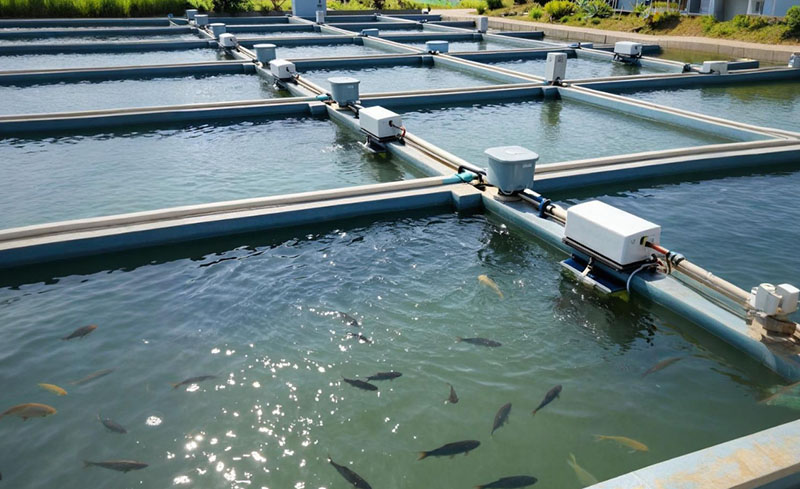

In aquaculture, oxygen is vital for hatcheries and broodstock rearing systems. Its stability directly affects fish survival, growth and reproduction. Poor oxygen management may push up mortality rates, compromise fish health and reduce operational efficiency. On the contrary, proper oxygen control can greatly improve farming quality and profitability.
I. The Core Role of Oxygen in Aquaculture
Oxygen Requirements for Fingerlings
Young fish are extremely sensitive to dissolved oxygen levels. Sufficient oxygen boosts their metabolism and feed intake efficiency, while also supporting the development of their immune systems. This markedly improves survival rates and lays a solid foundation for cultivating robust fish stocks.
Oxygen Requirements for Broodstock Management
Broodstock are the cornerstone of aquaculture, and their health directly determines the quality of their offspring. Dissolved oxygen levels have a direct impact on reproductive performance and spawning success. Oxygen deficiency triggers stress responses in broodstock and lowers reproductive efficiency. Maintaining high and stable dissolved oxygen keeps broodstock in optimal condition, producing stronger and more active fry.
II. Common Challenges in Oxygen Supply
Aquaculture oxygenation faces a number of practical challenges:
· Water temperature: Water temperature correlates with dissolved oxygen content; higher temperatures lead to lower dissolved oxygen levels.
· Stocking density: A higher stocking density means greater oxygen consumption by fish.
· Biological activity: Decomposition of fish waste and microbial activity further deplete dissolved oxygen.
Traditional aeration equipment such as air stones and paddlewheel aerators often fail to meet the oxygen demands of high-density aquaculture. With technological development, modern aquaculture has widely adopted more efficient devices including nanobubble generators, which are well-suited for high-density farming and scenarios requiring high dissolved oxygen concentrations. Dedicated aeration systems are also deployed for environments with extreme oxygen demands, such as fry rearing tanks and emergency oxygenation applications.
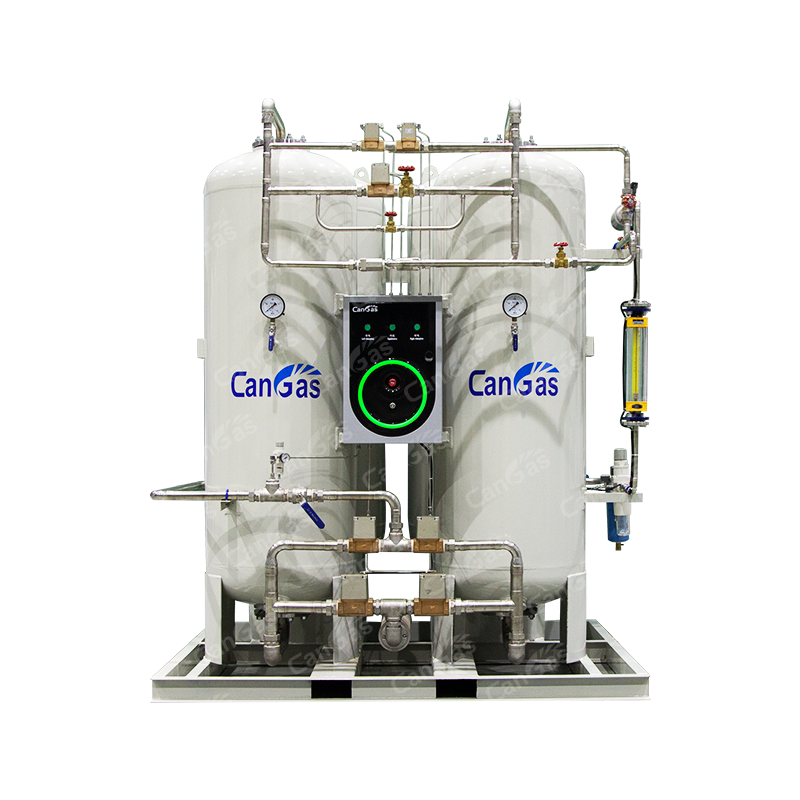
While liquid oxygen aeration solutions are available, they come with drawbacks including complicated transportation and storage, as well as potential supply disruptions. In comparison, Pressure Swing Adsorption (PSA) on-site oxygen generation delivers a stable and cost-effective oxygen supply. It helps maintain fish health, improve reproduction rates and boost overall production yields.
III. Advantages and Applications of On-Site Oxygen Generation Systems
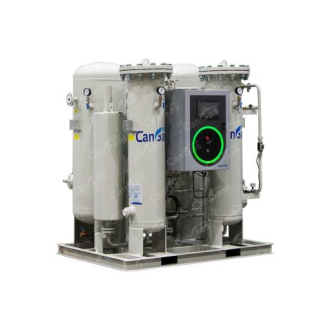
On-site oxygen generators extract high-purity oxygen from ambient air. This technology removes the need for oxygen storage and transportation, enabling hatcheries and broodstock farms to sustain steady oxygen levels without relying on external suppliers.
These systems are ideal for sites with limited space. They feature easy installation, flexible capacity scaling to match production output, strong adaptability to diverse aquaculture needs and eco-friendly operation.
Key Advantages for Aquaculture
· Stable oxygen output: Maintains consistent dissolved oxygen to safeguard fish health and reproductive performance.
· Cost efficiency: Cuts costs associated with liquid oxygen transportation and storage. The equipment supports 24/7 continuous operation with low maintenance requirements.
· Compact & scalable design: Occupies minimal space, features one-touch start and stop, and can be expanded easily to accommodate growing production demands.
A dependable oxygen supply is indispensable to hatchery and broodstock management. Choosing a suitable oxygen supply solution improves survival rates, spawning performance and total yields. It not only brings substantial economic returns to farmers, but also strengthens their market competitiveness.