
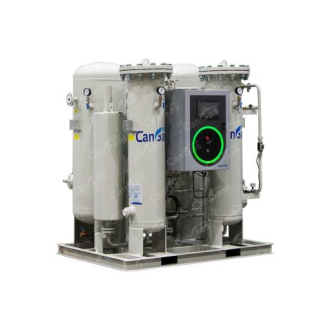
In a PSA (Pressure Swing Adsorption) nitrogen generation system, a nitrogen booster is a critical component. Its primary function is to increase the pressure of the product nitrogen to a target level, meeting the specific requirements of industrial, scientific, and specialized sectors.
Composition and Working Principle
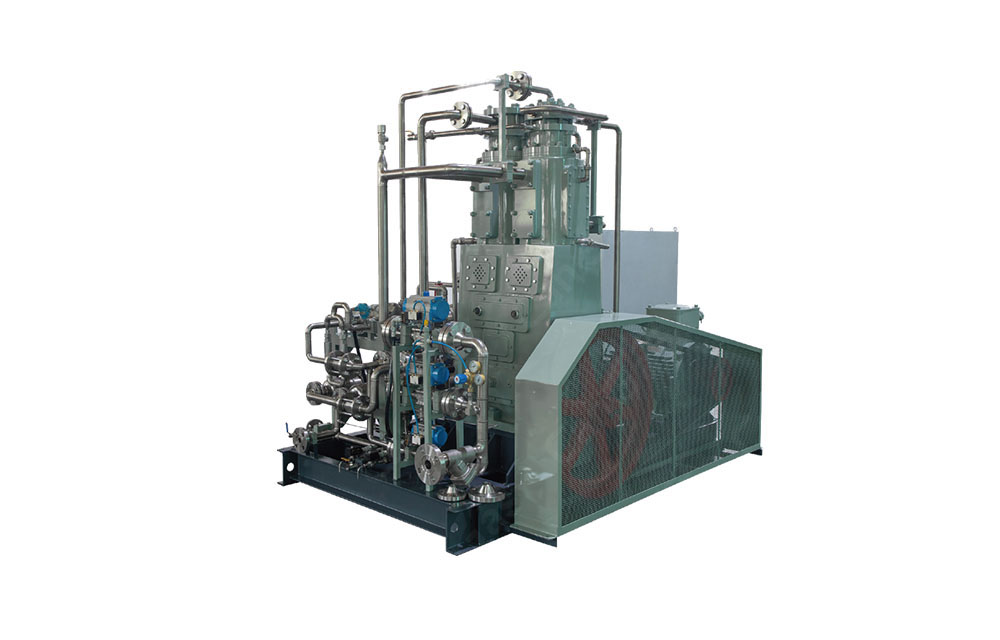
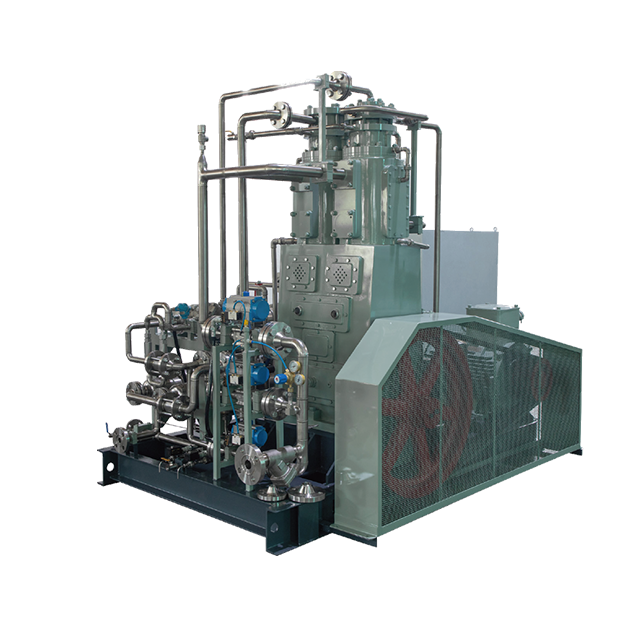
Nitrogen boosters fall under the category of pneumatic booster pumps and typically feature a piston-driven or screw-type structure. Key components include a piston cylinder, motor, electrical control cabinet, main piping, cooling fan, and drive belts. The seals are generally made of corrosion-resistant materials to prevent gas leakage and contamination, allowing the unit to withstand high-frequency compression.
The working principle relies on an area ratio differential: a large piston, driven by low-pressure air, actuates a smaller piston to output high-pressure nitrogen.
Synergy with the PSA Nitrogen Generation System
· Energy Efficiency Optimization: The booster can recover residual pressure from the PSA system's equalization or desorption stages, significantly reducing energy waste.
· Continuous Gas Supply Assurance: Integrated with the PSA system, it utilizes a PLC to regulate pressure and flow, ensuring a stable and uninterrupted gas supply.
Applications for PSA Nitrogen Boosters
· Nitrogen boosters are selected based on specific operational needs. Common scenarios include:
· Chemical Reactions: Medium-pressure nitrogen for inert gas blanketing and protection (10–100 bar).
· Metal Processing: Ultra-high-pressure nitrogen for laser cutting or gas quenching (up to 1600 bar).
· Food Packaging: Low-to-medium-pressure nitrogen to displace oxygen and extend shelf life.
· Oil & Gas / Storage & Transport: High-pressure nitrogen for pipeline cleaning and purging; also used for nitrogen blanketing in oil storage tanks to maintain slight positive pressure, preventing evaporation and explosions.
· Lithium Battery Manufacturing: High-pressure nitrogen required during electrolyte filling and drying to prevent electrode materials from oxidizing.
Key Specifications for the PSA Nitrogen Booster Compressor
· Flow Rate: Must meet or exceed the peak flow rate of the PSA nitrogen generator.
· Unit: Nm³/h (standard cubic meters per hour); inlet conditions (temperature/pressure) must be clearly specified.
· Dew Point: ≤ -40°C.
· Continuous Operation: Designed for 24/7 uninterrupted operation.
· Fault Alarms & Interlocks: Automatic system shutdown upon exceeding limits for temperature, vibration, or pressure.
· Purity Loss: ≤ 0.5%.
· Oxygen Content Increase: ≤ 10 ppm.
· Service Life of Key Components: Valves/piston rings (1 million cycles); bearings (≥ 60,000 hours).