
Which is Better for Hospital Oxygen Supply: Oxygen Cylinders or PSA Oxygen Generators
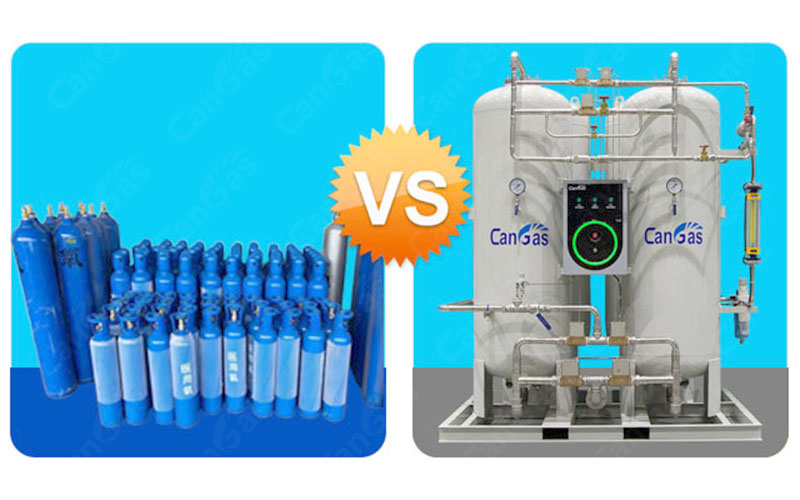
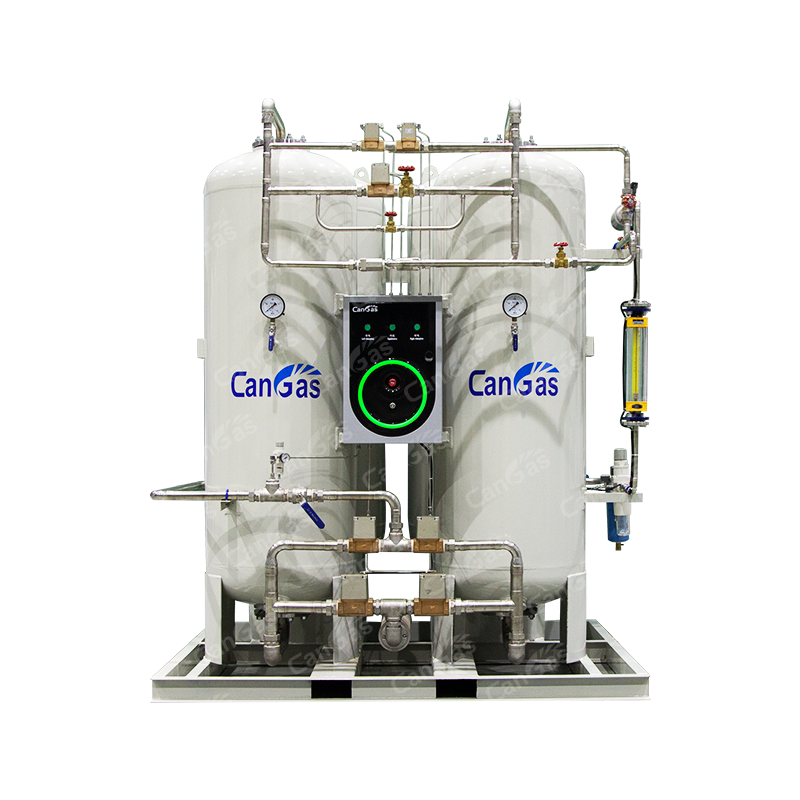
Historically, the medical oxygen supply was dominated by oxygen cylinders. However, with continuous advancements in Pressure Swing Adsorption (PSA) technology, commercial oxygen generation equipment has become a viable alternative. Consequently, medical molecular sieve oxygen generators have emerged as a mainstream solution.
For established medical institutions, the optimal approach is not merely a choice between the two, but rather the creation of a comprehensive system that ensures a stable supply through primary equipment while guaranteeing safety via emergency backup measures. The following analysis provides a comprehensive comparison of these two oxygen supply methods to assist medical institutions in their decision-making.
I. Management Complexity
Medical Oxygen Cylinders
1.Requires establishing a complete supply chain (procurement → transport → loading/unloading → storage → distribution → empty cylinder recovery → inventory checks).
2.Requires hazardous material handling certification; warehouse management must ensure protection against vibration, impact, fire, oil contamination, and high temperatures.
3.Involves recovering empty cylinders, replenishing full ones, and conducting regular safety inspections.
4.Prone to manual recording errors during shift changes (leading to lagging or inaccurate oxygen usage statistics) and risks of supply interruption during handovers.
5.Limited capacity to handle sudden surges in oxygen demand.
6.Coordinating oxygen supply across multiple departments is relatively complex.
PSA Oxygen Generators
1.Once the oxygen generation system is installed, commissioned, and accepted, operations focus primarily on system monitoring and routine maintenance.
2.PSA oxygen generators deliver oxygen via sealed pipelines directly to patient room terminals, eliminating open exposure and minimizing leakage risks.
3.Generators produce oxygen on demand and enter standby mode when supply is sufficient, ensuring overall energy efficiency.
4.PSA systems feature high automation, allowing for real-time monitoring of oxygen flow and purity.
5.Digital management systems support remote monitoring and early warnings, eliminating the need for constant on-site staffing.
II. Safety and Convenience
Medical Oxygen Cylinders
1.Cylinders rely entirely on manual handling and replacement, resulting in slow emergency response times.
2.Cylinders are portable and can be moved as needed, making them particularly suitable for temporary oxygen supply scenarios.
3.Replacing cylinders causes an interruption in oxygen supply; this is unsuitable for critically ill patients (replacement typically takes several minutes).
PSA Oxygen Generators
1.Once commissioned, accepted, and put into operation, the oxygen generator is considered safe for use.
2.The system supplies medical-grade oxygen with a concentration of 93% ± 3%. Users can regularly check oxygen purity and pressure via the device's interface.
3.The system features a high degree of automation, reducing the risk of human error and enhancing overall safety and stability.
4.A central oxygen supply system delivers oxygen via pipelines to patient bedside outlets and terminal interfaces in various departments.
5.Oxygen terminals are designed for quick connection, ensuring an uninterrupted oxygen supply.
III. Oxygen Quality
Medical Oxygen Cylinders
1.Cylinder oxygen is typically produced by large-scale industrial air separation units; purity is generally stable at over 99.5% with low impurity levels, meeting the vast majority of medical needs.
2.Oxygen quality can be influenced by the gas supplier's production standards as well as transportation and storage processes.
3.Steel cylinders used for more than six months may develop internal rust, leading to reduced oxygen purity and increased health risks for patients.
4.As internal pressure drops, the proportion of air mixing with the residual gas increases, making it difficult to maintain stable oxygen purity.
PSA Oxygen Generators
1.PSA oxygen generators utilize physical separation technology to isolate oxygen from other air components, achieving a purity of up to 99.5% with high, stable output quality.
2.Built-in instrumentation allows for real-time monitoring of key oxygen parameters: purity, flow rate, and pressure.
3.Integrated multi-stage filtration systems remove oil, water, and impurities, effectively ensuring high oxygen quality.
IV. Oxygen Costs
Medical Oxygen Cylinders
1.Equipment procurement costs are relatively low, and no pipeline installation is required; however, a dedicated storage facility for cylinders is necessary.
2.The initial investment for medical oxygen cylinders is low (primarily involving the purchase or lease of cylinders, pressure-reducing valves, humidification bottles, flow meters, etc.).
3.Market fluctuations in cylinder purchase prices can lead to increased medical oxygen expenses.
4.The process of switching cylinders and the presence of residual gas result in up to 15% gas wastage.
5.Costs associated with cylinder procurement/leasing and safety inspections rise in tandem with oxygen consumption.
6.Hospitals require at least 2–3 personnel working across three shifts to manage cylinders (including inventory checks, supplier coordination, and handling/replacement).
7.Delays in the supply of medical oxygen cylinders can lead to further complications.
PSA Oxygen Generators
1.Requires a higher initial investment compared to medical oxygen cylinders.
2.Hospitals can generally recover the initial investment within approximately two years (depending on oxygen consumption).
3.For medical oxygen generators, ongoing costs are primarily for electricity and maintenance; compared to cylinders, hospitals can achieve significant cost savings.
4.There is minimal loss or waste during oxygen usage.
V. Application Scenarios
Medical Oxygen Cylinders
1.Temporary medical facilities (e.g., mobile cabin hospitals, medical stations at exhibitions).
2.Mountain clinics where unstable power supplies pose a risk of equipment shutdown.
3.Emergency backup: Serves as a backup for central oxygen supply systems, activated during power outages or generator failures.
4.Small health centers and clinics with low oxygen consumption.
5.Scientific research applications requiring high-purity oxygen (over 99.5%).
PSA Oxygen Generators
1.New hospital facilities: Prioritize modern central oxygen supply systems; planning for a central system from the start is more cost-effective than retrofitting later.
2.Fixed inpatient areas: Wards, operating rooms, and emergency/resuscitation rooms where oxygen demand is stable and concentrated.
3.Medium-to-large general hospitals: Ensures a reliable supply for high daily oxygen consumption.
4.Medical facilities in remote areas: Reduces logistical reliance on external oxygen supplies and ensures self-sufficiency.