
What is the scope of application for central oxygen supply systems
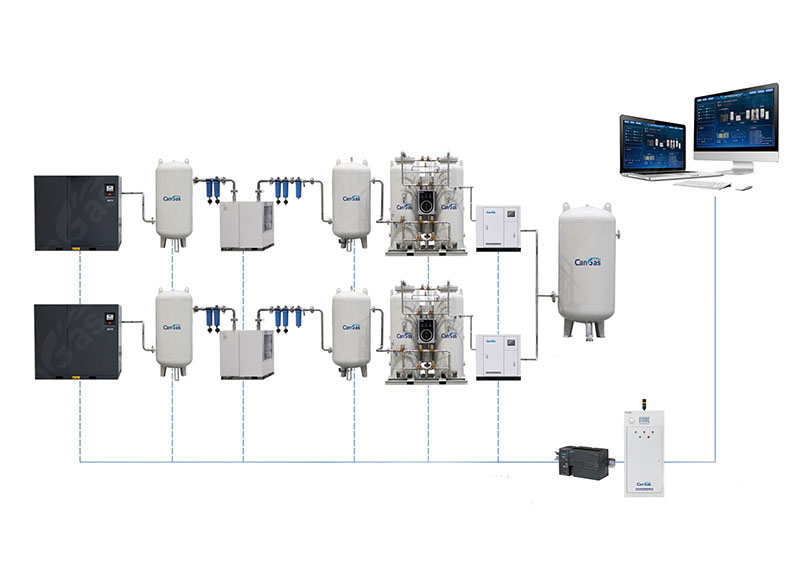
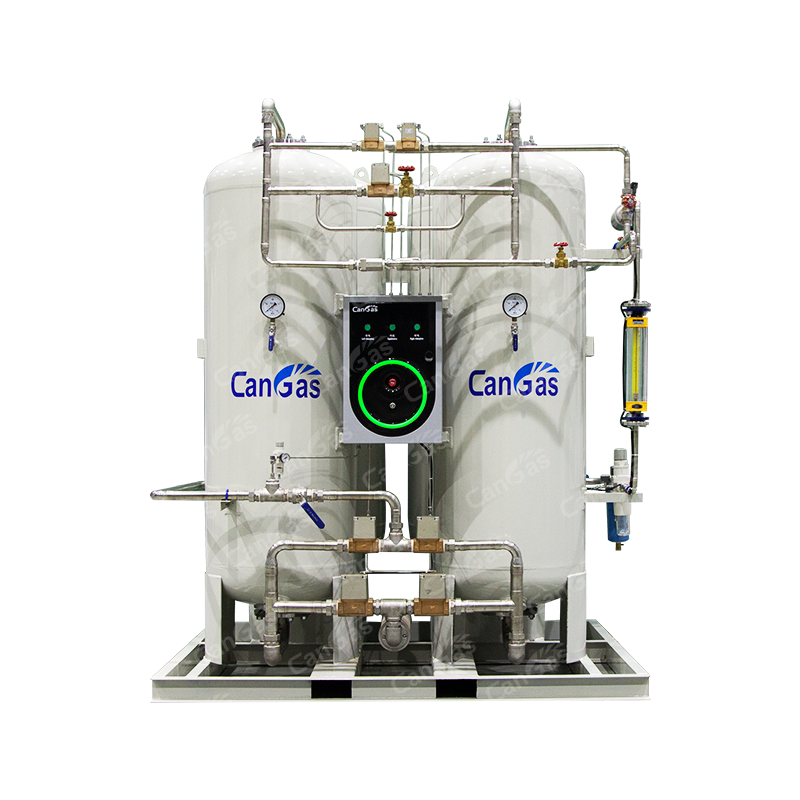
A central oxygen supply system is an oxygen delivery system based on medical molecular sieve oxygen generators; it comprises gas source equipment, piping systems, pressure regulation devices, terminal units, monitoring and alarm systems, and other auxiliary equipment.
Its scope of application is extensive, covering virtually all areas within a hospital where oxygen is required. It provides a continuous, stable oxygen supply to locations needing it and serves as a power and gas source for numerous medical devices.
Medical institutions of various levels can select systems of appropriate scale based on their specific needs-such as multi-cluster redundant backup systems for large general hospitals or simplified modular units for primary care facilities-to achieve a "centralized, standardized, and traceable" medical gas management model.
The following sections detail the major application scenarios.
I. Categorization by Department or Ward
For medical institutions, the following departments rely heavily on central oxygen supply systems:
1.Inpatient Wards (General Wards)
Function: Provides oxygen therapy for hospitalized patients requiring oxygen inhalation.
Oxygen Supply Characteristics: They feature a large number of terminal units and high usage frequency; these are the primary oxygen-consuming areas in the hospital.
2.Intensive Care Unit (ICU)
Function: Provides life support for critically ill patients. Usage here extends beyond simple oxygen inhalation to supplying high-flow oxygen to critical equipment such as ventilators and anesthesia machines.
Oxygen Supply Characteristics: High consumption volume and strict purity requirements are involved, and exceptional reliability in the oxygen supply is demanded.
3.Surgical Department (including operating rooms, preparation rooms, and recovery rooms)
Function:
• Anesthesia Machine Supply: Provides oxygen to patients under general anesthesia; essential for maintaining vital signs.
• Intraoperative Supplemental Oxygen: Ensures oxygen availability for patients under local or monitored anesthesia.
Oxygen Supply Characteristics: Concentrated, high-intensity usage is typical, and oxygen purity and pressure must be stable and reliable.
4.Emergency Department and Resuscitation Room
Function: Used for the emergency treatment of hypoxic patients in various acute situations, such as cardiopulmonary resuscitation (CPR), poisoning, shock, severe trauma, and myocardial infarction.
Oxygen supply characteristics: Rapid response is required. Medical staff can connect a patient to the oxygen supply within seconds using the wall-mounted oxygen terminals.
5.Neonatology Department / Neonatal Intensive Care Unit (NICU)
Function: Provides oxygen therapy and respiratory support (connecting to neonatal ventilators and incubators) for premature infants, newborns with birth asphyxia, and those with respiratory diseases.
Characteristics: Strict requirements exist for gas purity and humidity, and precise pressure control is essential.
II. Classification by Usage Scenario and Equipment
The functions of a central oxygen supply system extend beyond patient inhalation therapy; it also serves as a power and gas source for various medical devices:
1.Direct Oxygen Inhalation
Oxygen therapy is delivered to patients by connecting a humidifier bottle and a nasal cannula or face mask to the oxygen terminal at the bedside. This is the most fundamental and widespread application.
2.Oxygen Supply for Life-Support Equipment
It supplies oxygen to ventilators, anesthesia machines, high-frequency nebulizers, and other devices. These devices require a stable, pressurized oxygen source to function correctly and are central to operations in ICUs and operating rooms.
3.Hyperbaric Oxygen Chambers
Although hyperbaric oxygen chambers possess their own independent pressurization systems, the oxygen itself is typically supplied directly by the hospital's central oxygen system or a dedicated liquid oxygen storage tank to ensure the required quality and volume during treatment.
4.Emergency and Patient Transfer Integration
Hospital emergency departments are usually equipped with wall-mounted or column-mounted quick-connect terminals. Medical staff can rapidly switch patients-who were previously relying on portable oxygen cylinders in ambulances-to the hospital's central oxygen system, ensuring continuity of oxygen supply.