
Which Components of a PSA Nitrogen Generation System Require Certification
Within the safety management framework of a PSA nitrogen generation system, tanks—serving as primary pressure-bearing components—may be subject to pressure vessel certification requirements. Furthermore, certain auxiliary components within the system may also require specific certifications based on actual operating conditions and industry standards to ensure the compliance and reliability of the entire assembly. Specifically:
I. Certification of Pressure Vessels within the PSA Nitrogen Generation System
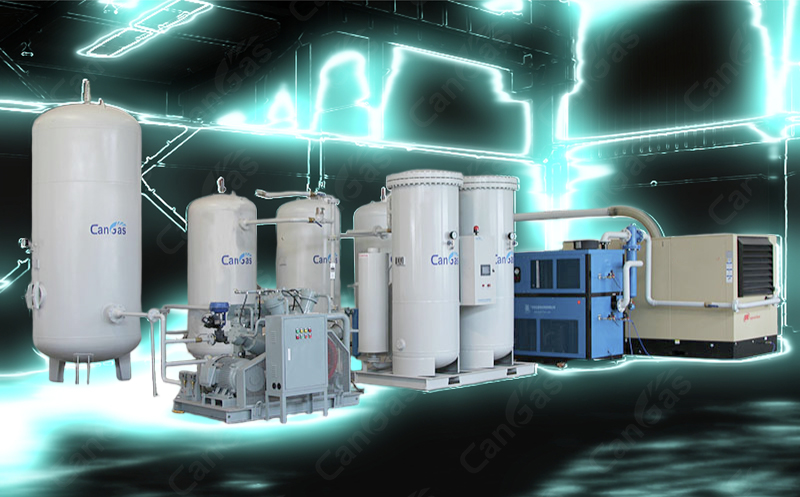
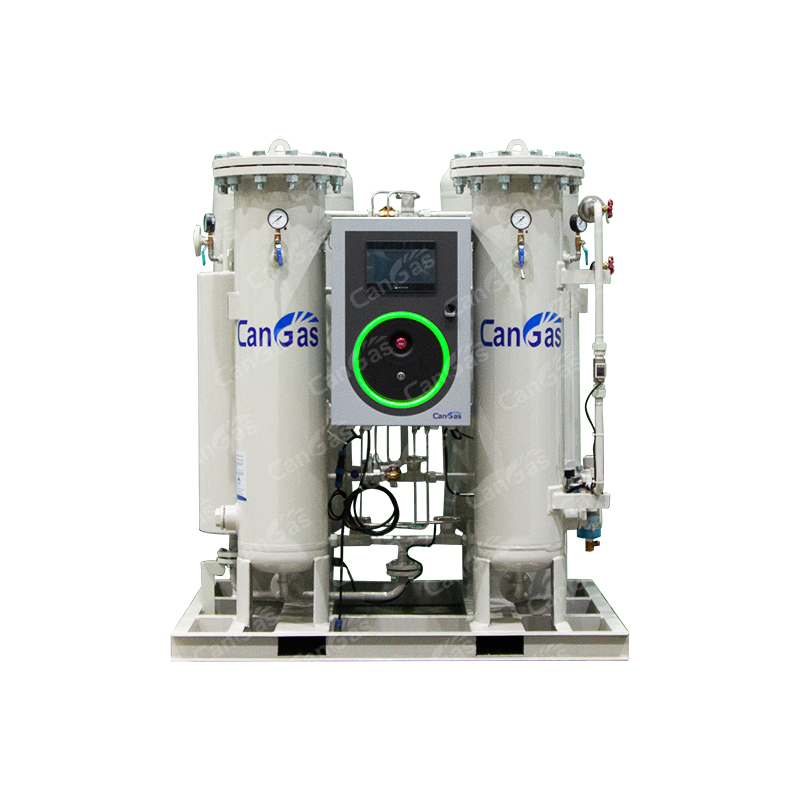
In a PSA nitrogen generation system, tank components typically include adsorption towers, air storage tanks, and nitrogen buffer tanks. However, not all such tanks are classified as pressure vessels; only those whose design pressure, design temperature, and structural characteristics meet the definitions set forth in relevant national standards are subject to certification and regulatory management as pressure vessels. The certification process centers on three key aspects: "manufacturing licensing," "installation and acceptance," and "usage registration." The specific requirements are as follows:
1. Manufacturing Stage: Production must be carried out by a manufacturer holding a "Pressure Vessel Manufacturing License," and the design phase must be completed by an entity holding a "Pressure Vessel Design License." Manufacturers are required to provide comprehensive technical documentation—including pressure vessel strength calculations and quality certification documents—to ensure the product complies with national standards such as the Regulations on Safety Technology Supervision for Pressure Vessels.
2. Installation and Acceptance Stage: Installation must be performed by a qualified construction entity (e.g., a company holding qualifications for pressure piping installation). Following installation, the equipment must pass inspection by a local special equipment inspection and testing agency. This stage focuses on verifying critical indicators such as installation quality, sealing performance, and pressure resistance to eliminate potential safety hazards.
3. Usage Registration Stage: The user entity must apply to the local market supervision and administration department for a "Special Equipment Usage Registration Certificate" (i.e., a pressure vessel usage permit) before the equipment can be officially put into service. Additionally, equipment management personnel must undergo professional training and pass relevant assessments to ensure they possess the necessary operational and management capabilities.
If the PSA nitrogen generation system is intended for export (e.g., to Eurasian Economic Union countries), it must comply with local mandatory certification requirements—such as obtaining EAC certification (CU-TR certification)—and meet core technical regulations like On the Safety of Pressure Equipment (TR EAEU 032/2013).
II. Other Components of the PSA Nitrogen Generation System Requiring Certification
In addition to pressure vessel certification, other core components of the PSA nitrogen generation system must possess appropriate certifications based on operating conditions and the specific industry of application to ensure the system's overall safety and reliability. These primarily include the following categories:
1. Air Compressor-Related Components: As the core air source, the air compressor must hold the necessary manufacturing licenses and product conformity certificates. If used in explosion-prone environments (such as the petroleum/petrochemical industry or underground coal mines), the compressor must also obtain an "Explosion-proof Certificate" to ensure that electrical components meet explosion-proof rating requirements.
2. Valves and Piping Components: Key valves within the system—such as switching valves, shut-off valves, and equalization valves—particularly those subject to pressure, must possess manufacturing licenses for pressure piping components to ensure their sealing and pressure-resistance performance meet standards. Regarding pressure piping connections, not only must the piping components be certified and compliant, but the installation entity must also hold the corresponding qualification for pressure piping installation.
3. Electrical and Control System Components: Electrical components such as PLC controllers, sensors, and instruments must comply with electrical safety standards (e.g., China's 3C certification). For export scenarios, they must meet regulatory requirements such as "Safety of Low-Voltage Equipment" (TR CU 004/2011) and "Electromagnetic Compatibility" (TR CU 020/2011). If located in explosive environments, these electrical components require additional explosion-proof certification to prevent electrical sparks from causing safety incidents.
4. Components Requiring Industry-Specific Certifications: Depending on the application field, certain components may require specialized certifications. For example:
• PSA nitrogen generation equipment used in the coal mining industry requires relevant components to pass coal mine safety certification to prevent substandard products from entering the underground environment;
• For systems used in food preservation, since nitrogen is classified as a food additive, relevant nitrogen generation components must support the enterprise in obtaining a "Food Additive Production License," and the nitrogen purity must exceed 99.9%;
• For nitrogen generation systems used in offshore extraction operations, components must pass classification society certification to meet the specific requirements of the marine environment.
5. Verification of Certifications for Purchased Core Components: For critical components sourced externally (such as sensors, flow meters, and vacuum pumps), it is necessary to verify the possession of relevant compliance certificates (e.g., domestic product conformity certificates, international CE or EAC certifications). This serves as a crucial foundation for the system as a whole to obtain certification (such as EAC certification for export).
In summary, the core of certification for PSA nitrogen generation systems lies in "end-to-end safety and compliance." Every aspect—from the manufacturing, installation, and operation of pressure vessels to the specific certifications of other components—must be implemented in accordance with national regulations, industry standards, and application-specific requirements. This approach not only ensures stable equipment operation but also mitigates safety risks at the source.